How To Choose The Right Fishing Spot For Carp
Landing a chunky carp feels pretty awesome, but picking the right fishing spot can actually be one of the hardest parts of carp fishing. I’ve spent plenty of early mornings and sunset evenings chasing carp, and having the right spot can really give your chances of a catch a boost. Figuring out where to set up doesn’t need to be intimidating—it just takes a bit of observation, some patience, and a little local knowhow. Here’s my guide for finding a killer carp spot, whether you’re new to the sport or looking to sharpen your watercraft skills.
Reasons To Get Strategic With Your Carp Spot
- No special gear needed. You can track down great spots with basic gear and careful observation.
- More fish, less guesswork. Knowing where carp hang out leads to more bites and better sessions.
- Enjoy the scenery. Picking the right swim often means better comfort, shade, and even some wildlife watching on the side.
- Great way to learn watercraft. Every new spot teaches you more about reading water, which is super handy for any fishing style.
Key Features Of Prime Carp Spots
Finding a good carp fishing spot means knowing what carp like, where they eat, hide, and move. Here are some key features that make a place worth checking out:
- Weed beds and reeds. Carp love cover. Areas with lilypads, reeds, or submerged weed beds are basically carp hotspots. They offer food and protection.
- Overhanging trees and snags. Fallen branches and overhanging foliage draw carp closer to the margins. These spots often see less pressure and have more natural food.
- Gravel bars and dropoffs. Underwater highways for carp, these structures offer feeding zones. Use a marker float or polarized glasses to spot changes in depth.
- Inlets and outflows. Water movement brings in fresh food and oxygen, attracting cruising carp. The mouths of streams or areas with bubbling aerators are worth checking out.
- Quiet, undisturbed areas. Carp spook easily. Areas away from heavy foot traffic, boaters, or swimmers are usually safer bets.
Checklist: What To Bring For Spot-Hunting
Here’s what I keep on hand when I’m trying to decide where to fish:
- Polarized sunglasses for spotting fish and underwater features
- Marker float or plummet for checking depth and bottom type
- Basic rod, reel, and end tackle for quick test casts
- Notebook or phone for jotting down what I see
- Snacks and drinks, since spot scouting can take a while!
How I Pick My Carp Fishing Spot: Step By Step
1. Watch For Signs Of Carp
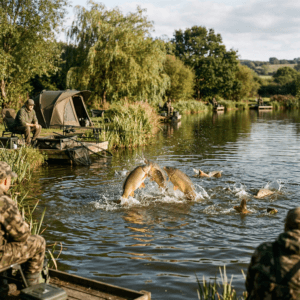
Carp give themselves away if you’re patient. Look for bubbling on the surface, subtle swirls, and fish actually rolling or jumping. Early in the morning or late in the evening, you’ll sometimes spot them right at the surface sipping insects or poking at the margins.
2. Check The Weather and Season
Warm, sunny days usually find carp feeding near the surface or in shallow bays. In colder months, deeper sections or areas with some shelter (like snags or cover) are more attractive. On windy days, carp sometimes move into the windward bank, looking for fresh food being pushed in.
3. Test The Bottom
Not all bottoms are equal. Carp love spots with a bit of silt (but not fullon mud), gravel patches, or areas with soft weed. I toss my marker float out and slowly drag it back, feeling for changes. If you feel sudden resistance or a knock, you’re likely over a gravel bar or dropoff. Those are good finds!
4. Look For Natural Food Sources
Areas crowded with natural food get my attention fast. Turn over a few stones near the edge or look for snails, mussels, or insect larvae in the water. Spots with plenty of natural grub keep carp coming back.
5. Consider Pressure and Access
If a swim gets pounded by anglers all week, carp might wise up and move elsewhere. I sometimes take a walk around my lake or river after checking the usual busy spots. An overlooked corner or small bay can be surprisingly productive, especially if it’s quiet and offers cover.
6. Make A Quick Cast Or Two
When I’m unsure, I’ll quietly toss my rig out and watch the line. If it drops smoothly and sits well (without landing in weed or making a hard splash), I know the spot is fishable. I might also feed in a bit of bait and see if any activity kicks up. Sometimes, a little bit of corn or pellet can quickly get things moving in a likely looking area.
Smart Tips and Handy Tricks
- If you’re fishing a new venue, chat up local anglers or staff; they usually know about areas holding good fish.
- Don’t skip the margins. Carp often patrol right at your feet, especially during quiet times of day.
- Early and late are golden. Carp feed most at dawn and dusk, so plan to arrive or leave during those times for best action.
- Track your catches and observations in a notebook or app over time. Patterns start to become clear the more you fish, and you can really build on what you learn each session.
FAQ: Common Carp Spot Questions
Q: Do carp prefer deep or shallow water?
Carp will move between both deep and shallow areas, depending on the season, weather, and food availability. It’s always worth checking both, especially if you spot a lot of natural activity.
Q: How close should I fish to features like weed beds or overhanging trees?
I usually cast as close as I feel confident without snagging up my rig; sometimes within a foot or two of features. Just be ready for a quick take and keep your wits about you!
Q: Can I improve a spot that doesn’t have obvious features?
Definitely. Prebaiting with a bit of sweetcorn, boilies, or pellet over a few days can draw carp in. Over time, they’ll start to visit looking for an easy meal, and you might soon start catching in a place most anglers ignore.
Share Your Best Carp Spots!
Finding the right spot for carp is a skill that just gets better each time you’re out. If you’ve cracked the code at your local water, I’m always curious to hear what worked for you. Drop your goto spots, tips, or stories below. I might even try out a few myself the next time I’m on the bank!