 If you’re like me and you love chasing big carp, knowing how to spot waters where carp actually thrive can save you a lot of time (and frustration). Plenty of newcomers hit the bank without knowing if carp even swim in the lake or river in front of them. I’ve learned over the years that a little knowhow goes a long way in finding those carp friendly spots.
There’s something seriously satisfying about arriving at a water and just knowing it’s got carp potential. I’ve ended up at loads of venues that looked good on the surface, but didn’t hold many fish, or any, sometimes. Learning to spot the telltale signs has made a huge difference to my fishing sessions, especially when I’m scouting somewhere new.
I can still remember the buzz of dropping some bait into a new spot and seeing those classic signs—a swirl here, a cloud of bubbles there. It never gets old. Figuring out which waters support healthy carp helps me fish more confidently and spend less time guessing and hoping. If you enjoy a little adventure, learning this skill keeps you connected to nature and sharpens your instincts on the bank.
Why Target Carp Friendly Waters (And What Happens If You Don’t)
Fishing for carp in the wrong kind of venue is like looking for seashells in the mountains. Nothing’s going to happen. A lot of anglers get stuck fishing empty or lowstock lakes simply because they don’t know what to look for. No matter how good your rigs or bait are, you need to know there are actually fish in front of you.
I learned early on the importance of:
- Checking that the lake or river actually holds carp
- Making sure the environment can support a healthy population
- Looking for cues from the water, banks, and local anglers
- Doing some basic research before turning up with all my gear
There’s nothing worse than blanking for days only to find out later the water was never really any good for carp in the first place. Time spent checking out the key features often results in better sessions filled with action, rather than disappointment.
How To Identify Carp Friendly Waters
Carp need certain things to thrive. A decent supply of natural food, plenty of cover, oxygen rich water, and a steady water temperature. Here are the main things I check before deciding if a spot is worth fishing.
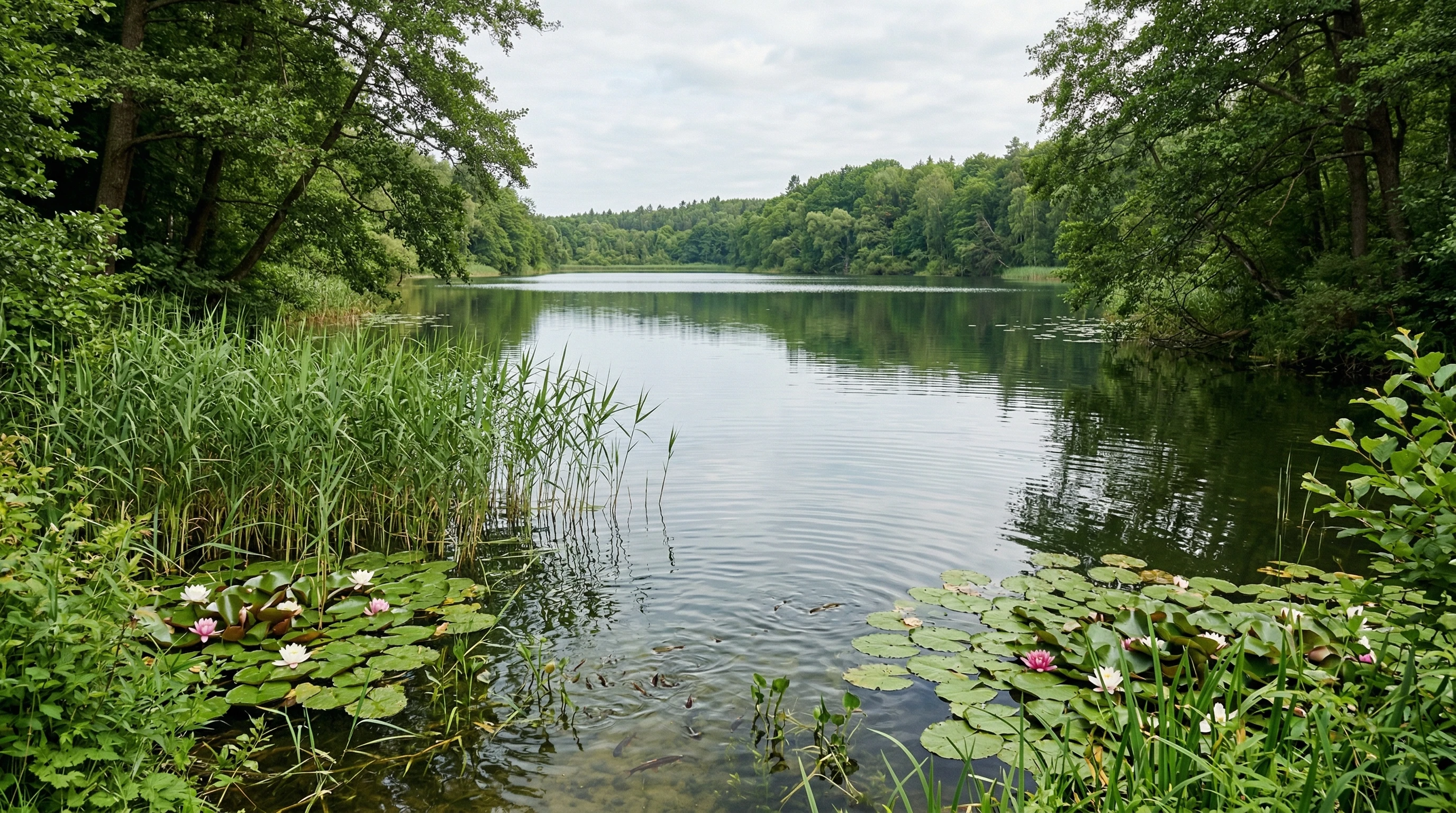
- Good Plant Life: If there’s a nice mix of reeds, lilies, or underwater weeds, there’s a strong chance carp will feel at home. They use these spots for food and cover.
- Lots of Natural Food: Keep an eye out for swarms of insects, snails, or mussel shells on the bank. These are signs that carp have easy meals available.
- Sheltered Areas: Carp love features. Overhanging trees, fallen branches, islands, and deeper holes give them places to hide from predators, and sometimes anglers!
- Steady Water Levels and Temperature: Lakes or rivers that don’t dry up or freeze solid provide a stable home for carp year round.
- Oxygenated Water: Flowing water or lakes with regular wind movement stay well oxygenated, which is really important for healthy fish.
Don’t forget, mapping out these natural features ahead of your session can put you a step ahead of other anglers who only focus on easy access pegs.
My Checklist: Signs Carp Are Naturally Present
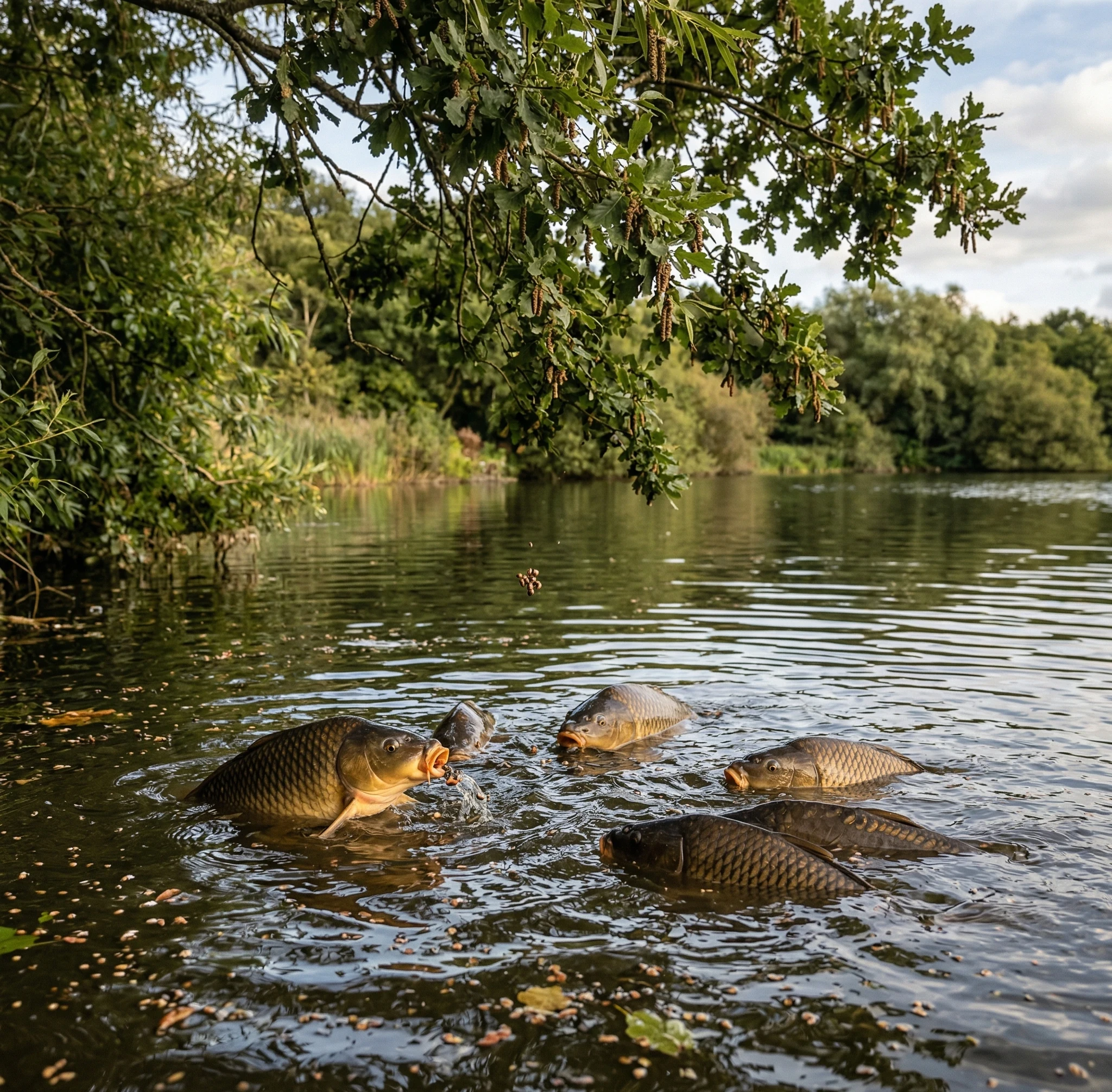
- Fizzing or Bubbling: These little clouds on the surface give away carp feeding below. I’ve found so many spots by parking myself down and just watching the water for this kind of activity.
- Carp Rolling, Jumping or Boshing: Early morning is the best time to see these. If you spot the classic back or tail of a carp clearing the surface, you know you’re in the right place.
- Muddy Margins: Banks that look churned up usually mean carp have been digging for food. Great spots for a sneaky margin rig.
- Bubble Trails: Not just single fizzing, but actual trails of bubbles moving through shallow water. That’s likely a small group of carp stirring things up.
- Word from Locals: Talking to friendly anglers, or checking online groups, is super useful. A quick chat can save you hours of blank sessions.
When you actively use all your senses and spend a little extra time observing, you often stumble upon subtle clues that point straight to the fish.
What Makes Some Waters More Carp Friendly Than Others
Carp adapt to lots of different environments, but not every water is the same. Tiny ponds can hold a few little carp, but bigger mature lakes or wellstocked venues generally have better populations, and bigger fish. Here’s what I look for when sizing up a water:
- Older, Mature Waters: These usually have a self sustaining carp population and decent specimens.
- Good Water Quality: Clearish water, without signs of pollution, algal blooms, or wastewater pipes, is a lot healthier for fish.
- Regular Stocking Records: Check if any clubs, councils, or fishery managers put out stocking details or catch reports. Most good venues do.
- No Big Predators: Places overrun with cormorants or otters might have fewer carp unless the balance is managed well.
Common Mistakes When Picking a Carp Venue
I’ve made my fair share of mistakes over the years. Here’s what I steer clear of now:
- Assuming every lake has carp. Some just don’t.
- Ignoring obvious pollution or murky, stinky water
- Fishing canals or rivers without checking for carp in the local area
- Skipping a walk around the venue. Some waters are featureless, which usually means fewer places for carp to hide
It pays to look over a venue closely. Even seasoned carp anglers sometimes end up on waters with sparse stocks if they don’t check the basics.
Simple Research Tips Before Packing Your Gear
- Use Google Maps or Satellite View: Zoom in to spot larger lakes or ponds nearby. Look for features like islands and margins that carp might love.
- Search Forums and Local Facebook Groups: Even a quick search like “carp lake [your town]” often brings up catch photos and venue names.
- Check Tackle Shop Noticeboards: These often have club membership details and local angling gossip.
- Pay Attention to Local Fishing Club Permits: Many clubs publish stock lists or photos, and you can reach out to ask questions before buying a ticket.
Try reaching out to one or two local anglers for the inside scoop. It’s one of the quickest ways to track down reliable waters and avoid wasted sessions.
What Carp Friendly Waters Look Like All Year Round
My experience tells me some spots look amazing in spring and summer but become almost lifeless in winter. Deeper venues, or those with some flow, often hold carp through the cold months because the temperature and oxygen stay stable. I usually scout out new venues in a few different seasons so I know where’s worth my time all year. Carp behavior can really change across seasons, so it pays to visit in both warm and colder months.
Ready To Find Your Next Carp Water?
- No special permits needed for scouting. Just your eyes, ears, and some patience.
- No pressure to spend big on day tickets if club waters nearby are teeming with carp.
- Plenty of resources available online and locally for checking stocking and recent catches.
Anytime I’m searching for the next big carp session, I always go back to these basics. Careful research helps me get more bites, less wasted bait, and plenty of fun by the water. If you’re ready to give your carp fishing a boost, take a bit of time to check out your waters first. Your next PB could be waiting in the most unlikely looking spot.