Carp fishing is one of those hobbies where even small mistakes can trip you up fast. Over years on the bank, I’ve made my fair share of errors and picked up tips that really changed my results. Simple fixes can turn a frustrating session into a way more rewarding one, even for experienced anglers.
Tackle and Preparation Mistakes
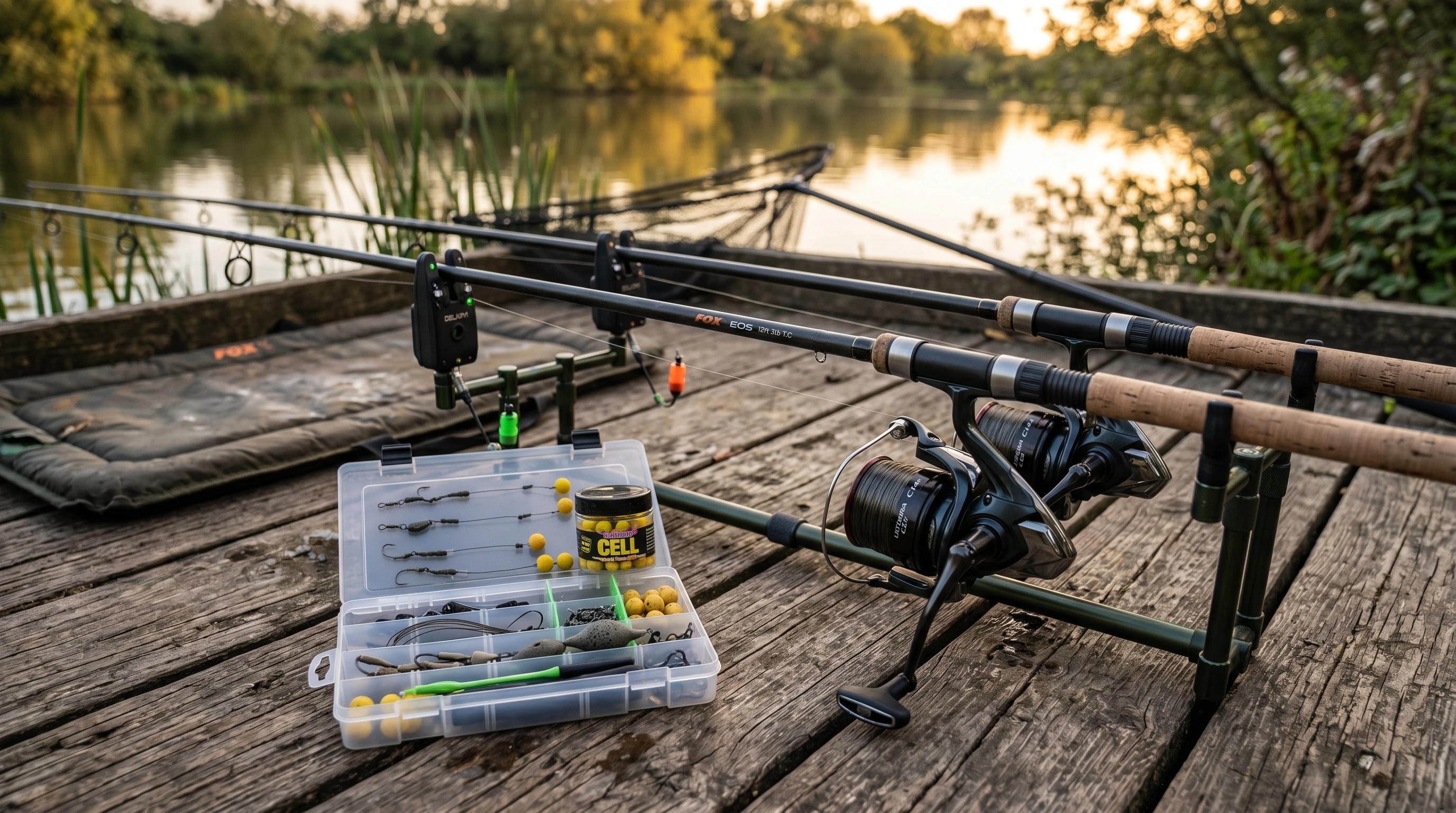
One big problem I notice—especially if you’re just starting—is grabbing the wrong gear. Using rods or reels not suited for carp can make things tougher than they need to be. Lighter tackle works for small fish, but carp are strong and can snap lines that aren’t up to the job. I’ve had lines break simply because they were too thin for a decent size carp. A 12lb to 15lb mainline is usually enough for most UK carp fishing, and going lower usually leads to avoidable heartbreak.
- Neglecting Rig Checks: Overlooking your rigs can cost you bites. Knots, swivels, hooks, and leaders all need a quick look before every cast. I can’t say enough how forgetting to check a hook has meant missing that one big fish.
- Forgetting to Bring Spare Tackle: Carp are notorious for dragging rigs into weed or snapping off leads. Bringing extras like hooks, leads, and even spare rods makes it easy to stay fishing rather than wasting time fixing breakages.
- Lack of Organization: Dig into your tackle box before every trip and make sure you know where everything is. I’ve spent precious minutes searching for end tackle or tools, only to miss out on prime fishing time. Arriving organized sets you up for a smooth session.
Bait Blunders
Bait choice is a massive factor, but simple mistakes are super common. I used to pile on loads of bait, thinking I’d pull in more carp. In reality, too much bait can push carp away if the conditions aren’t right. Start light; then add more once you spot fish feeding confidently. On busy dayticket waters, switching up flavors can help—sometimes less popular baits are actually more effective since the carp haven’t been spooked by them as much.
- Ignoring Freshness: Stale or badly stored bait won’t attract as many fish. Always use fresh boilies, corn, or pellets, and keep everything sealed until you need it. If your bait has lost its scent or feels too dry, toss it out.
- Rushing Baiting Up: Not watching the water and just chucking bait in is a mistake I’ve made more than I care to admit. Take a few minutes to check out where carp are showing. Even just a ripple or a faint trail of bubbles can give away their location.
- Overcomplicating Rigs: Don’t get caught up in creating super complex rigs. Often, simple setups like a basic hair rig work best; carp are wary but not rocket scientists.
Location and Watercraft Issues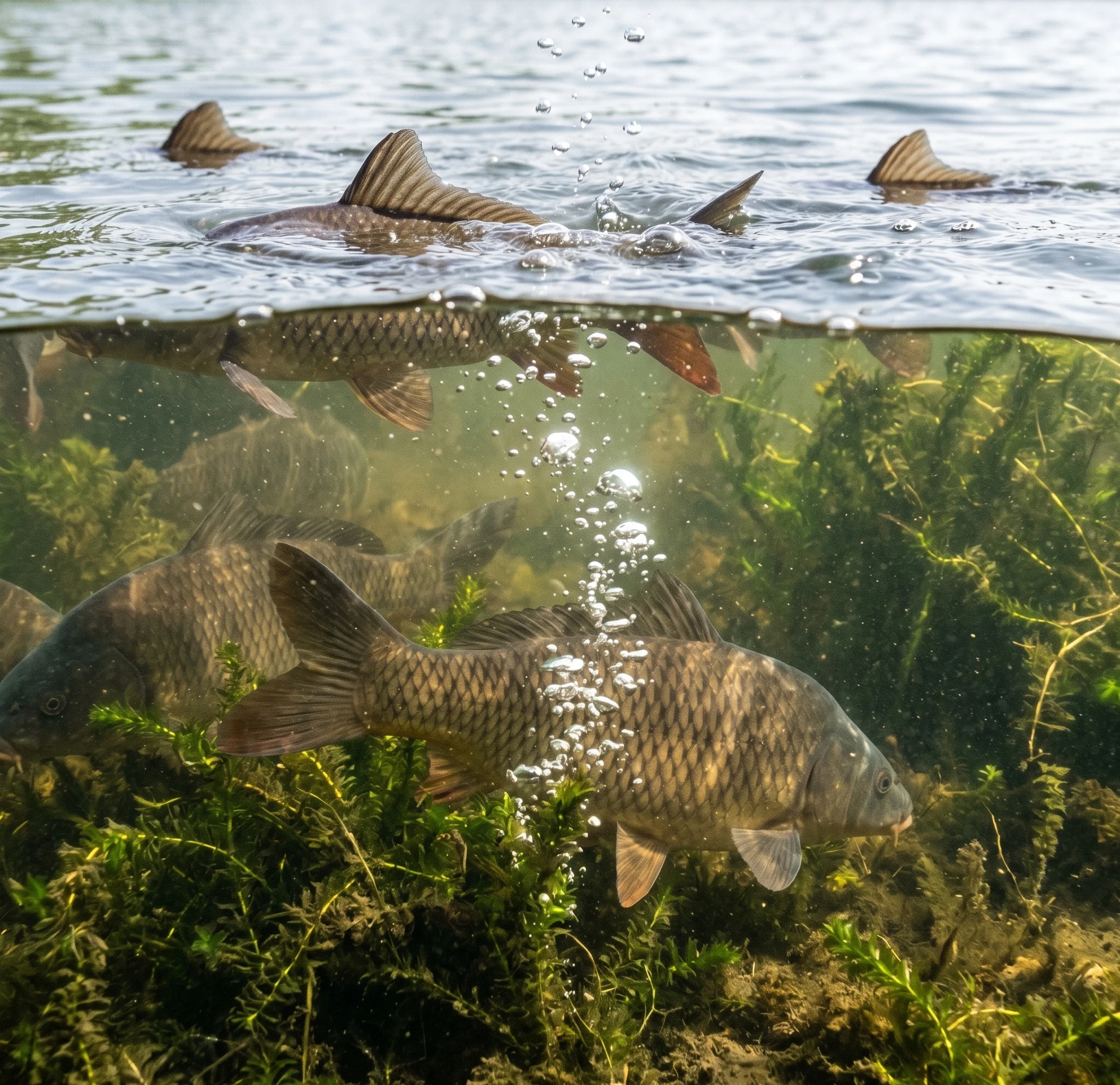
Finding the right swim is nearly half the battle. Many anglers just pick a comfortable or popular peg instead of watching for visible carp activity. I learned quickly that even if a spot looks perfect, the carp have to actually be there. Walk around, look for bubbles, jumping carp, or moving weed patches. Carp move regularly, so you should too until you bump into where they’re feeding.
- Staying Put Too Long: If nothing’s happening for a couple of hours, don’t be afraid to switch spots. I’ve had more success being mobile than sitting in the same spot all day.
- Not Considering Weather: Temperature, wind direction, and air pressure can all move carp around. After a cold night, carp often gather on warmer, sunlit margins. If there’s a breeze, try the windward side first.
- Ignoring Depth Changes: Carp often move between shallow and deep water depending on time of day, weather, or angling pressure. Pay attention to the lake’s underwater features—you’ll often see more action if you change depths.
Playing and Landing Carp
Playing and landing carp is where nerves really kick in, and small mistakes can cost you the fish of a lifetime. Tightening the drag too much or rushing with the net leads to disappointment. I always prep my net before I even start playing a fish, keeping the drag firm enough to control but loose enough for a big run.
- Poor Net Positioning: Scrambling to grab the net while a fish is on is never fun. Set up all your landing gear within arm’s reach before you cast out, so you can focus on playing the fish rather than fumbling for the net.Always try to position the net close to you before starting to reeling in the carp
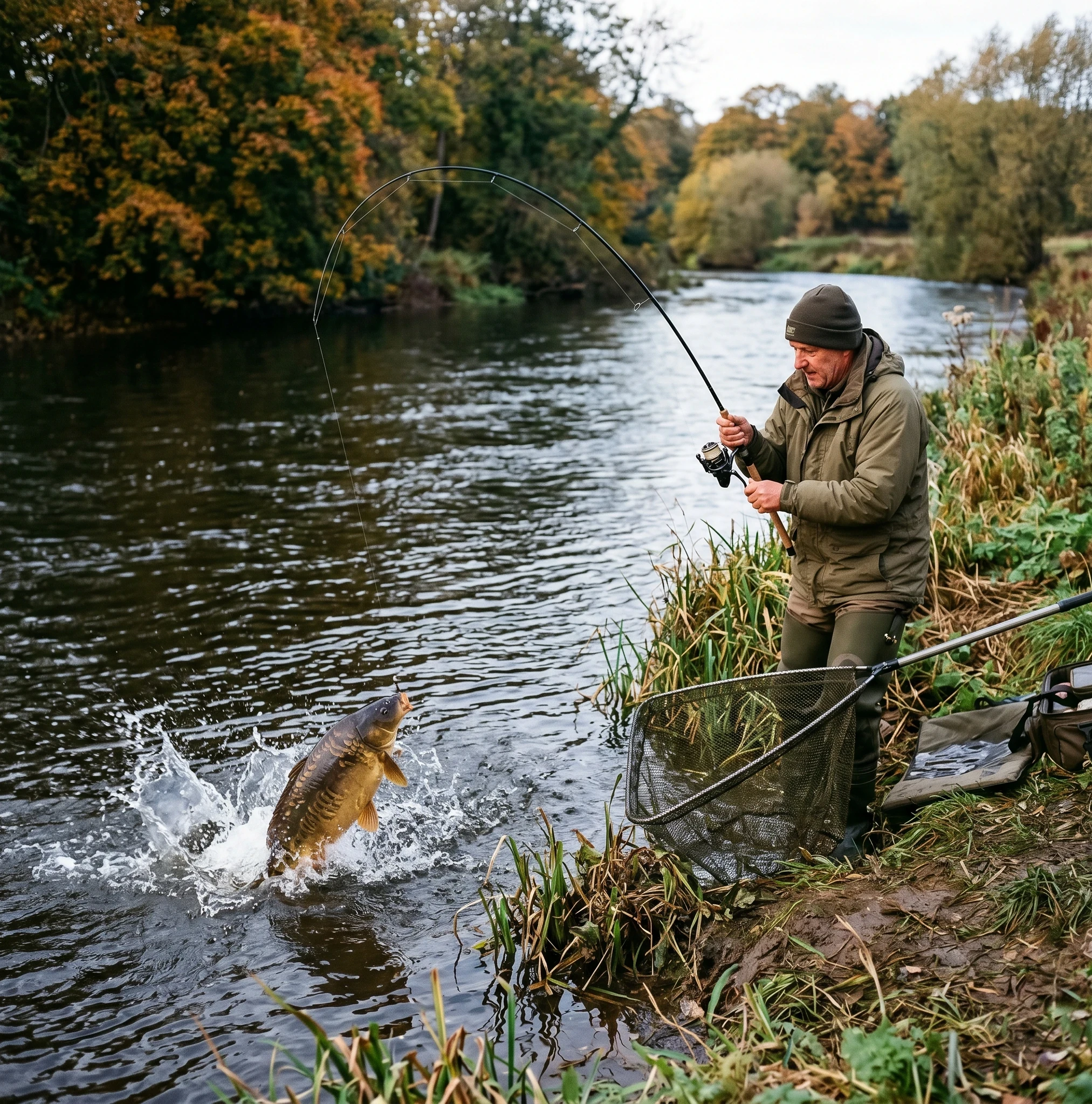
- Panic and Overhandling: Take your time. If you try to rush the fish in or pump the rod too hard, there’s a good chance you’ll lose it right at the end. Let the carp tire itself out and let the rod do the work.
- Ignoring Fish Care: Once landed, use a wet unhooking mat and support the carp properly for photos. This not only helps the fish recover, but keeps your photos looking nextlevel cool.
Learn From Each Session
Every trip, even slow ones, teaches me something. Pay attention to what worked and what didn’t, and note down any patterns. Carp fishing is all about adapting; don’t be afraid to mix things up if you’re not getting bites. Keep a journal too, if you can—these little notes will help you spot trends that step up your results over time.
I also suggest jumping into a local angling club or online forum. Sharing sessions, successes, and misses with others opens up a world of advice plus keeps carp fishing fun for everyone.
Share Your Own Tips
I’m always looking to track down new tricks or stories from other anglers. Drop your tips or share your favorite lesson in the comments section. Swapping ideas is one of the best ways to keep learning and keep things interesting out on the bank.