
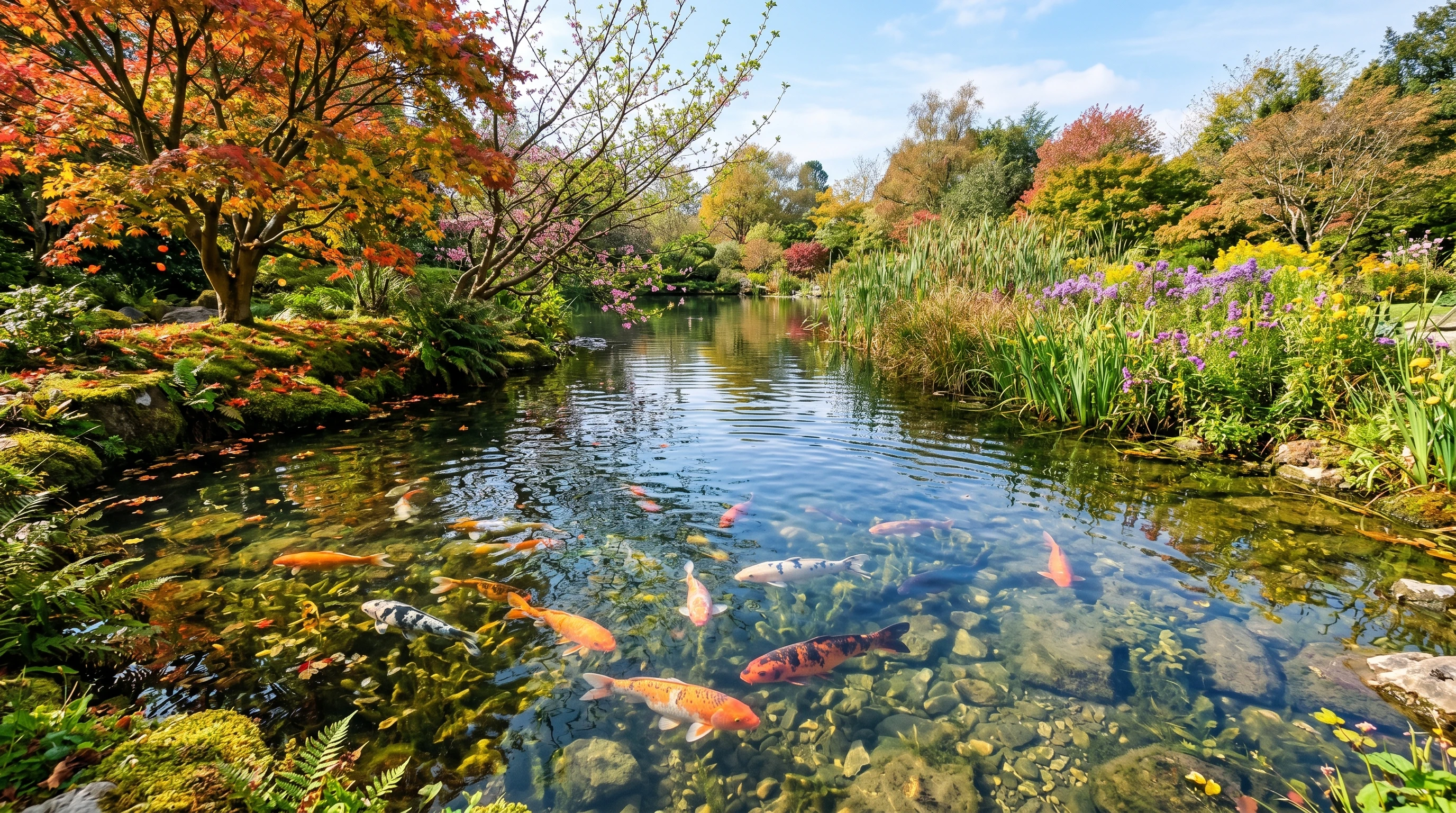
Carp fishing isn’t just about skill and patience; the timing you hit the water can really make the difference. Understanding how the seasons mix things up for the carp gives you a true edge. From feeding to hiding spots, their behavior changes through the year. Let’s break it down so you can make the most of every fishing trip, no matter when you go.
How Water Temperature Shapes Carp Activity
Carp are highly sensitive to water temperature. When it’s cold, they slow down and hole up in deeper, more stable parts of the lake or river. As water warms in late spring and all through summer, carp move to shallow spots to feed. Warm water revs them up, making them more active and much hungrier.
- Winter: Carp slow right down and usually stick to deep pools where it’s warmer.
- Spring: As the water heats up, carp start moving and feeding energetically, gearing up for spawning.
- Summer: Carp activity peaks—they cruise the edges, bask in the sun, and feed just about everywhere.
- Autumn: Carp ramp up feeding to stockpile energy for the winter ahead.
If you want to catch more carp, pay close attention to water temperature along with the weather on the day. A few degrees really can make or break a session.
Feeding Patterns By Season
Carp will eat just about anything, but their appetite and what they go after changes with the calendar:
- Winter Feeding: Carp munch less in cold weather. At this point, tiny baits like maggots or sweetcorn, along with subtle rigs, work best—big feasts are off the table.
- Spring Feeding: Carp bounce back fast, chasing protein-heavy foods to get ready for spawning. Nutritious boilies and pellets really draw attention.
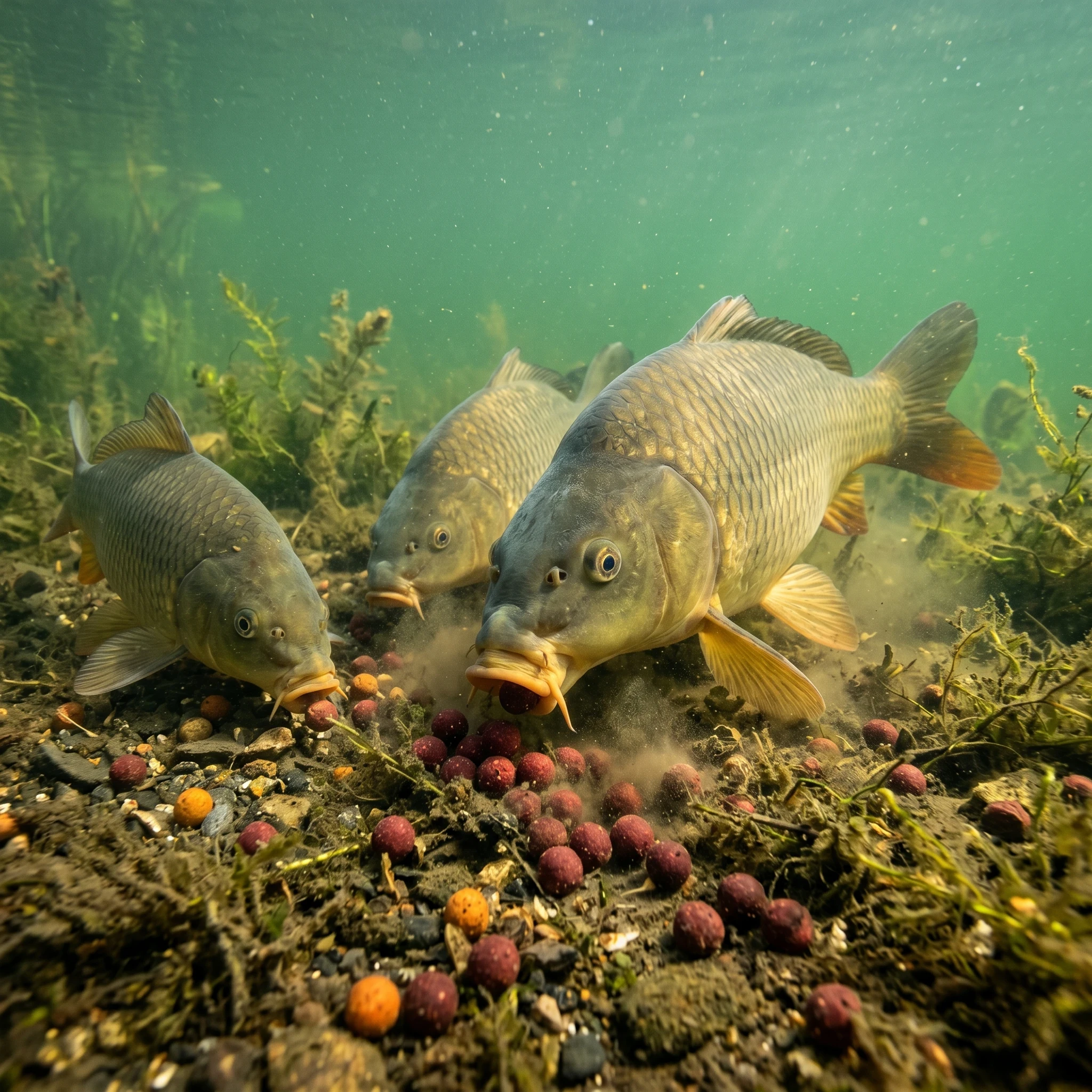
- Summer Feeding: Metabolisms fire up, so carp eat more frequently and aggressively. Larger baits, grains, and even floating bread for surface action are all worth trying.
- Autumn Feeding: As days get shorter, carp get serious about bulking up. Heavier, high-energy baits keep them hooked until the cold returns.
Matching your approach with the season’s feeding habits is a neat way to level up your results and make sessions more rewarding. If you want consistent bites, switch things up so your bait always appeals to what’s on the menu for carp that time of year.
Where Carp Hide In Each Season
Finding the right spots is just as important as picking good bait. In the chillier months, carp stick with deeper, steadier areas for warmth and safety. When spring sun starts beaming down, they move to shallower edges, reed beds, and even near sunken logs, especially because these spots are prime for spawning.
In hot summer spells, carp will seek shade under overhanging trees, lily pads, or stay close to margins to dodge the midday sun. Sometimes, they’re out in the open during early mornings and evenings catching a meal. Come autumn, carp split their time—one minute feeding in open water, the next returning to deeper safe zones as the nights cool off.
Spawning and Its Impact on Fishing
Carp spawn as the water heats up—typically in late spring into early summer. During spawning, they focus more on breeding and less on feeding, which can leave anglers scratching their heads on slow days. But after spawning wraps up, the carp’s appetite returns stronger than ever. Hungry for a comeback, they’re on the lookout for rich baits to restore energy, making post-spawn fishing surprisingly action-packed.
Tips for Adjusting Your Approach for Carp Year-Round
Changing up your rig, bait, and chosen swim works better than relying only on gear upgrades. In the cold, use smaller baits and be subtle. When it warms up, try float fishing with bread or insects. As autumn approaches, it’s smart to switch back to protein-rich boilies and look for mixed spots with sun and shelter. Carry a thermometer for quick water checks, and always watch for natural carp signals—like jumping, bubbling, or swirling.
Get the Most Out of Each Season
Tuning into carp behavior by season adds extra excitement to every outing. With this knowledge, you can choose the best spots, tweak your bait choices, and enjoy more consistent catches. Plus, watching the scenery change is half the fun—whether leaves are just budding or gold and red by October, the world around you is always moving. Enjoy the action and beauty every time you wet a line.
Share Your Seasonal Carp Stories
Got a unique tip about carp fishing, or noticed something strange in how they act? Post your best advice in the comments. Sharing real stories and first-hand findings keeps the whole carp community fun and helpful for everyone. Your bit of knowledge could help someone else land their personal best.