Setting up a reliable bite indicator when targeting carp on weedy margins can make all the difference. Building your own DIY cork indicator not only saves money, it’s also a simple and practical way to adapt your rig for tricky weed-filled spots along the bank. Here’s everything I’ve picked up about putting together a cork indicator setup that really works when heavy weed often ruins the fun.
Why Use Cork Indicators for Weedy Margins?
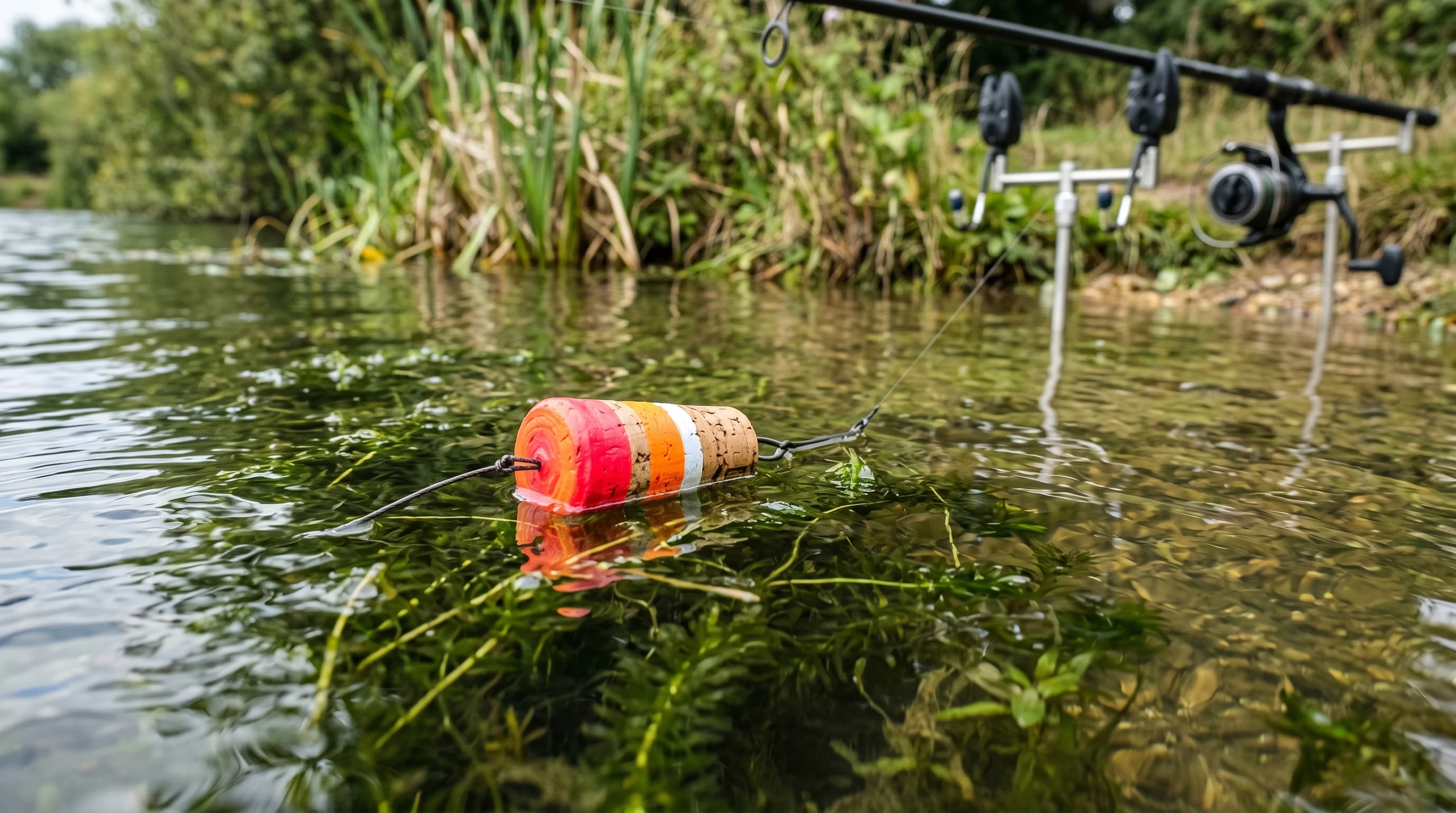
Fishing for carp on weedy margins brings its own set of problems. Traditional clip-on or electronic indicators can get clogged, tangled, or just not register subtle bites when weed is in the mix. Cork indicators solve most of these headaches; they float above the weed, give a clear visual signal, and are easy to see even on busy water.
Cork is super lightweight and naturally buoyant, so it sits right on top of surface weed without dragging your line down. Plus, it’s cheap and easy to tweak exactly how you like.
Building Your Own DIY Cork Indicator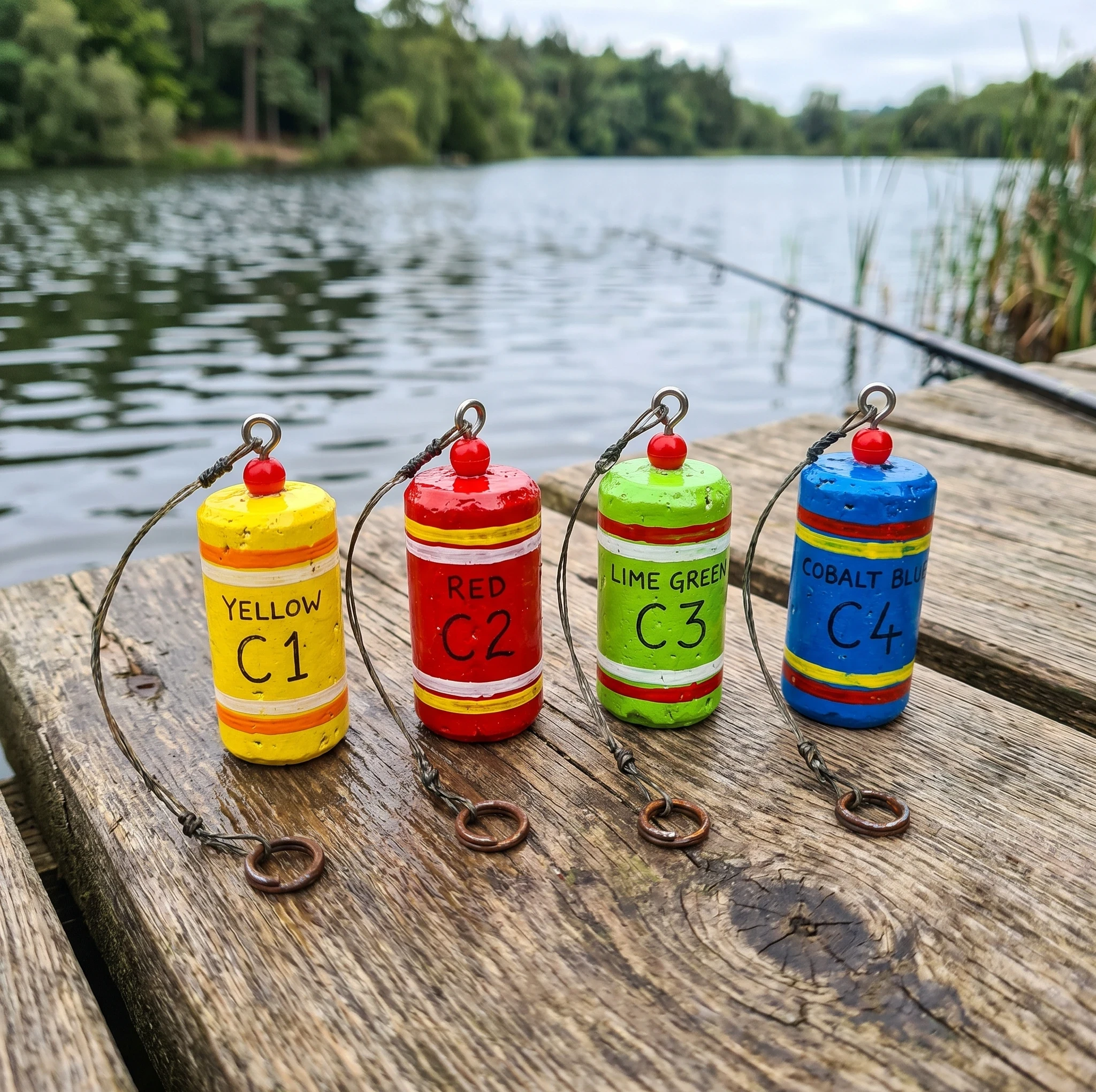
Making a cork indicator doesn’t take much, just a few basic items and a bit of time. Here’s what I use:
- Cork wine bottle stopper or large craft cork
- Sharp knife or craft blade
- Small swivel or snap link
- Some bright waterproof paint or permanent marker (optional for visibility)
- Thin wire or strong elastic band
Start by cutting one end of the cork flat. This helps it sit better on top of the weed. Carefully poke a hole all the way through the cork using the knife or even a thick needle. Thread your swivel or snap link into the hole so you can easily attach or remove the indicator from your mainline or line clip. If you like, paint your cork a flashy color to spot bites quickly, even in low light or with lots of surface weed.
How To Use a Cork Indicator on Weedy Margins
- Attach the cork indicator just above your hook by threading a swivel or snap link onto your line or clip. Position it so it rests on top of the weed with your bait just off the bed.
- Cast gently. Cork can split if you launch it too hard against stones or hard banks.
- Watch for movement. The indicator will bob or slide with line pulls, not just screaming runs. This is very useful for spotting finicky carp or shy pickups where weed blunts the bite signals.
I like to keep the setup as friction free as possible so the cork moves easily. If you get lots of false signals from wind or drift, you can add a thin wire loop or elastic band to adjust how freely the cork slides.
Tips for Success With DIY Cork Setups
- Use high visibility paint or tape on your cork. Yellow, orange, or white works well against green weeds and dark water.
- Check the buoyancy with the hook you plan to use. Too much weight and your indicator will sink or get buried in weed.
- Test your setup with different line tensions. Some lines snag easier on weed, so try a stiffer line or a fluorocarbon leader to get the best results.
- You can also experiment with cork size and shape to see what floats best in your chosen swim. Sometimes, a slightly larger cork makes a world of difference in thick, floating weed mats.
- It helps to practice with short test casts to spot how your cork responds to different conditions. The more you play around, the easier it is to fine tune your rig for changing weed density during the season.
Not every swim needs the exact same setup. Try making a few different cork indicators and see what works best in your local spots. Also, save corks from various bottles—they come in handy for customizing different indicator sizes.
Ready to Mix Up Your Tactics?
Fishing on weedy margins doesn’t have to be frustrating. Simple DIY cork indicators offer reliable bite detection and make carp fishing feel way more fun and relaxed when weed threatens to spoil the session. It is definitely worth trying this out for yourself; after a few test runs, you’ll quickly see why so many anglers keep a cork or two in their kit. For more handy fishing DIY ideas, check out Carpology or browse local tackle forums for even more creative tweaks. If you want to step up your own rig, swapping in a homemade cork indicator could be the low-cost upgrade you need.
Share Your Own DIY Tweaks
If you’ve built a cork indicator that’s worked well for you, or have a cool trick to stop weed snagging your line, drop your thoughts below. I’m always interested in hearing fresh ideas or answering any questions about making and using cork setups on carp water.8