Learning carp fishing techniques opens up a whole new side of angling. Carp are known for their strength and smarts, which means landing one feels super rewarding. If you’re after all-in-one guidance and tips that actually work, you’re in the right place. With a bit of patience and the right know-how, anyone can enjoy a great day by the water targeting these amazing fish.
Carp Fishing Basics: Setting Up for Success
Getting started with carp fishing doesn’t need to feel overwhelming. Carp like quiet waters, such as lakes, ponds, and slow rivers, so picking your spot is the first step. I look for places with overhanging trees, reeds, or lily pads, since carp often feed in these areas. These calm spots are likely to attract more fish and offer a peaceful setting for your session.
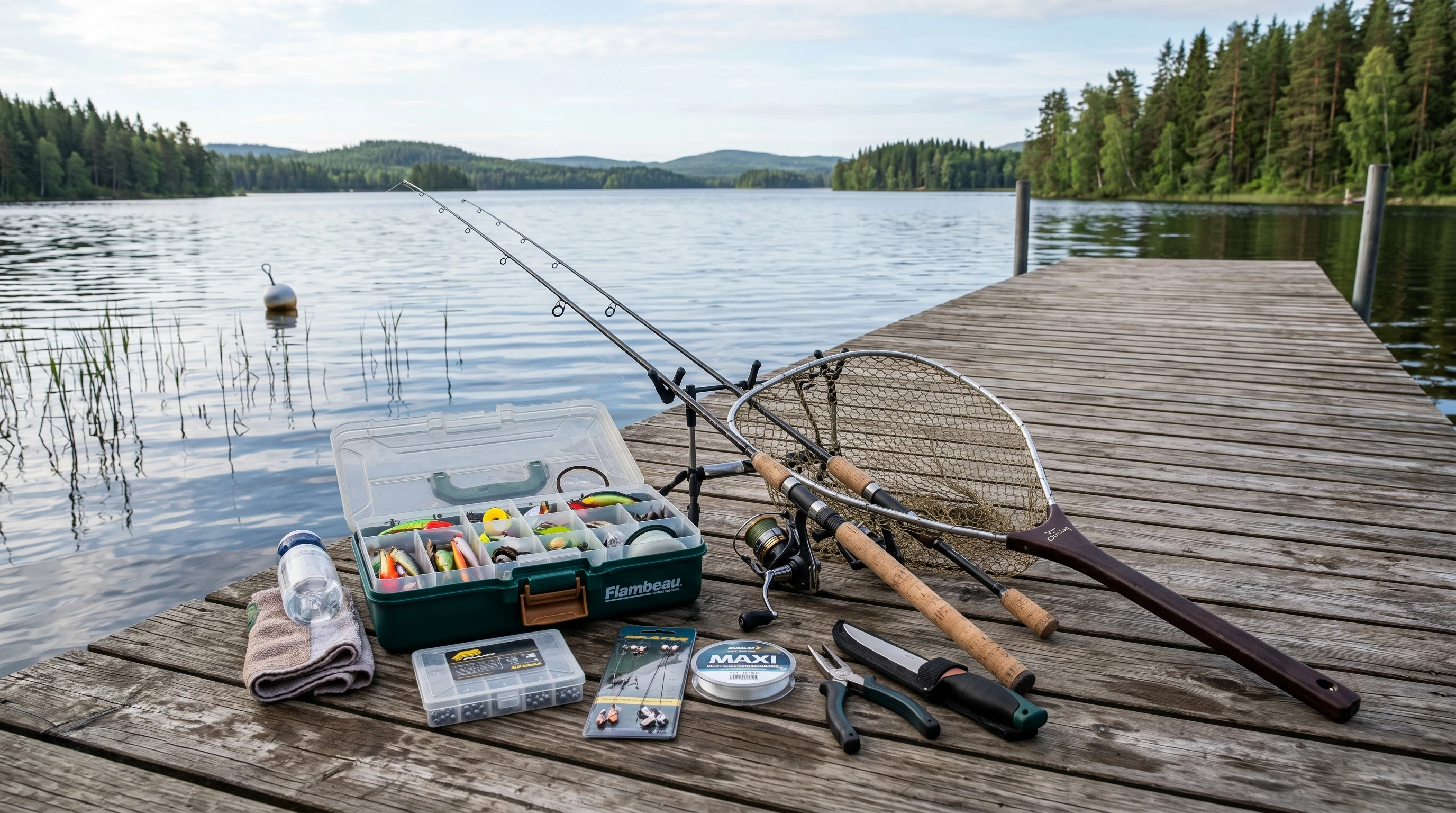
- Rod and Reel: A medium to heavy action rod (around 12 feet long) with a reliable baitrunner reel covers most situations.
- Mainline: I use a 12-15 lb monofilament or fluorocarbon line. Braided line works too, but can sometimes be a bit more visible to wary carp.
- Terminal Tackle: Basic carp rigs like the hair rig, simple leads, sharp hooks (size 6-10), and swivels are pretty much all you need when you’re starting out.
Spending a bit more time prepping your gear saves headaches once you’re on the bank. I always bring spare hooks, weights, and bait in case the carp get picky. Don’t forget a reliable bite alarm or indicator, especially if you plan to fish into the evening when bites can be subtle. Pack a sturdy chair and a small shelter if you’ll be out for a long session; comfort matters.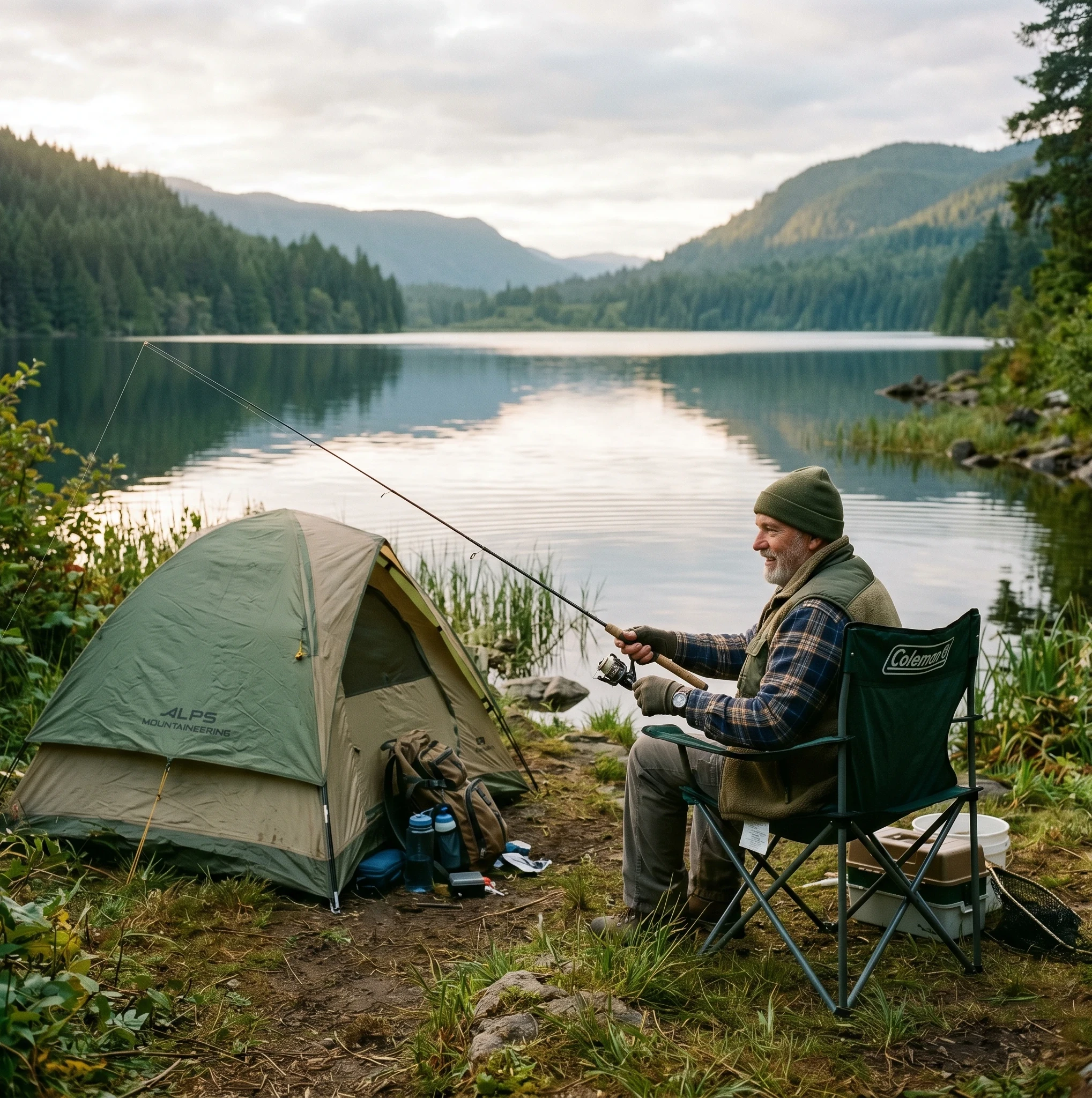
Baiting Methods That Work
Bait choice is a big deal in carp fishing, but you really don’t need fancy stuff. Boilies, sweetcorn, pellets, bread, and tigernuts all work great. I’ve caught plenty of carp on simple sweetcorn from the grocery store. Local bait shops also often carry special mixes or flavors that might be popular on your water.
- Prebaiting: I toss in a handful of bait into my swim (fishing spot) a few hours or even the day before. This gets carp used to feeding in that area and helps build their confidence.
- Mixing It Up: Sometimes I’ll mix two baits, like boilies and sweetcorn, to see what the carp are in the mood for. Sometimes, using crushed boilies or flavored corn can tempt even finicky carp.
- Feeder Fishing: Using a method feeder packed with groundbait draws carp in and keeps them feeding near your hookbait.
It’s really important to keep it simple and pay attention to how the carp are feeding. If you’re not getting bites, switching up your bait or bait size can make a difference. Remember, water temperatures and conditions can change daily, so stay willing to try something else if your usual approach isn’t paying off.
Popular Carp Rigs and How to Use Them
A good carp rig helps you hook fish without them getting suspicious. Here are a couple of reliable rigs:
- Hair Rig: The classic choice for carp fishing. Bait sits just off the hook, making it easier for carp to suck the bait in and get hooked. This setup is perfect for both boilies and soft baits like corn or bread.
- Blow Back Rig: This rig uses a small ring or loop on the hook for extra movement. It works well with bigger boilies and keeps the bait in the best position. The extra flexibility can help stop wary carp from feeling resistance and spitting out your bait.
- Chod Rig: Great when fishing over weedy areas, since it keeps your bait just above the weed, right where carp can spot it. Use this rig with a buoyant pop-up bait to present your hookbait above any obstacles on the bottom.
Learning to tie your own rigs can feel tricky at first, but there are loads of step-by-step tutorials online. Once you practice a bit, it becomes second nature. I keep a few pre-tied rigs in my tackle box just in case I need a quick change. It saves time when the action is hot.
Landing, Handling, and Releasing Carp Safely
Caring for carp is super important. A large landing net and a padded unhooking mat really make a big difference with both small and large carp. Always handle them with care, especially the larger specimens that may be older and more vulnerable to stress and injury.
- Wet your hands before touching the fish to protect their slime coat, which acts as a natural barrier against infection.
- Unhook gently, snap your photo, and return them quickly to the water. Try to keep your fish out of the water for less than a minute before release.
Healthy release means more strong fish for future anglers. Respectful handling keeps carp fishing awesome for everyone, supports the local fish population, and makes sure we all have great catches to look forward to year after year.
Build Your Carp Fishing Skills
The best way to improve is to keep fishing and keep experimenting. I read forums like carp.com and watch tutorials on YouTube channels dedicated to carp fishing. Trying out new rigs or baiting ideas keeps it interesting and helps you find what works best in your local waters. Carp are clever and conditions mix it up a lot, so keeping an open mind is a big part of getting better. If something isn’t working, don’t be afraid to move swims, swap baits, or chat with another angler for inspiration. Every session offers a chance to learn more about these next-level cool fish.
Share Your Tips and Questions
Got questions about rig setups, favorite baits, or anything carp fishing? Drop a comment with your tips or stories, or check out online groups to connect with other anglers. Learning and sharing makes carp fishing better for all of us. The more we grow together, the more rewarding those catch-and-release moments become.