
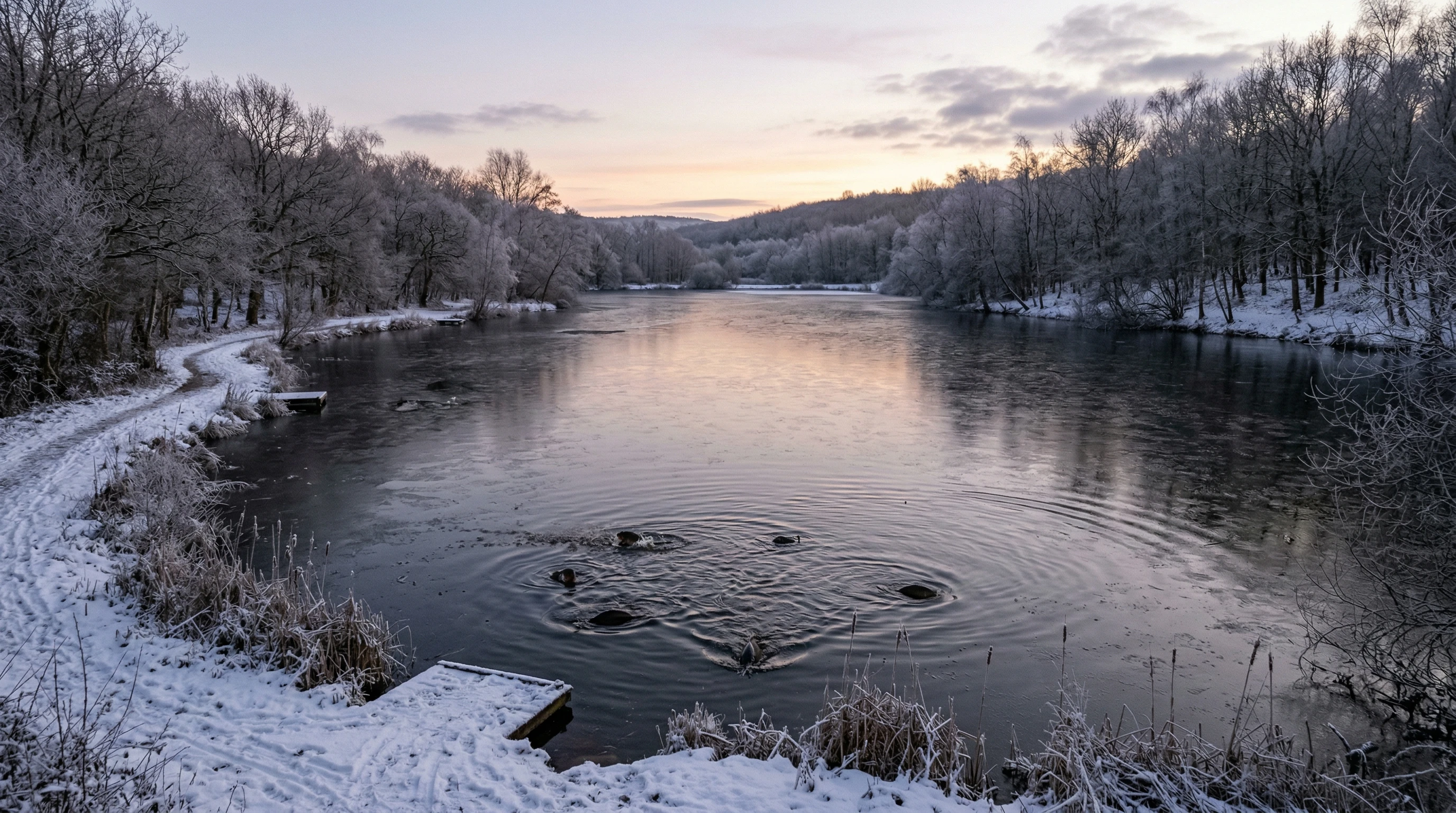
If you’re anything like me, winter carp fishing can seem a little daunting; bite rates drop, and the fish act much more cautious. However, mixing up your approach and using smart feeding strategies can really give a boost to your chances of catching those cold-water carp. Let’s get into what makes carp fishing unique in winter, and how you can adjust your tactics to suit these chilly conditions.
Understanding Winter Carp Behavior
Carp slow down a ton as the water gets colder. Their metabolism drops, so they don’t need as much food and won’t go on big bait-binge sessions like in summer. Knowing this makes a big difference because chucking in heaps of bait usually just puts them off completely.
- Carp often move into deeper areas: Because water is more stable temperature-wise, they feel safe there. Deeper water tends to stay warmer than the margins and can protect them from sudden drops in temperature.
- Feeding windows can be super short: Carp may only move and feed actively for a few hours a day, often around midday when the water temperature peaks. If you miss that window, the lake can seem totally lifeless for the rest of the day.
- Natural food sources are scarce: This can actually work in your favor if you present bait that stands out and doesn’t overwhelm them. Carp may be more interested in your bait since their usual diet is limited during winter.
Choosing the Right Bait and Quantity
Piling in loads of bait in winter is a fast way to kill your swim. Less is absolutely more right now. You want to tempt carp without giving them an all-you-can-eat buffet, so they keep coming back to check out your offerings.
- Small, high attraction baits: Sweetcorn, maggots, hemp, and small boilies that leak flavor but don’t overfeed the fish are go-to options. These ingredients can be just enough to catch carp’s attention without filling them up.
- Single hookbaits: Sometimes, casting out a single brightly colored boilie is all you need. That visual pop draws cautious carp in—even in murky water during winter.
- Bait dips and glugs: Soaking your hookbait in a winter-friendly flavor can make it stand out without adding more food to the swim. Flavors like citrus or sweet fruit work particularly well when the water is cold and clear.
Effective Feeding Patterns and Presentation
The way you introduce bait makes a big difference. Spreading bait slowly and in the right spots can keep carp curious without making them wary. If the carp feel safe, they’re much more likely to investigate your spot.
- PVA bags and sticks: These are perfect for creating a compact, well-placed pile of bait right next to your hook. This approach cuts down on overfeeding and keeps things tight and attractive to cautious fish.
- Use a catapult or spod sparingly: If you’re going to put out free offerings, keep them light and spread them naturally instead of in a huge pile. A scattering of baits is much less likely to put carp off.
- Focus on hot spots: Aim for features like drop offs, sunken trees, or deeper holes. Carp consistently gather in these places to save energy and stay safe from predators.
Timing and Location
In winter, location is everything. Instead of blanketing the lake with bait, look for clues like bubblers, rolling fish, or birds diving—these usually point to active carp beneath the surface.
- Fish during the warmest part of the day: Even a slight rise in temperature can trigger feeding, so plan your trips around midday or early afternoon when the sun is out.
- Move if you’re not seeing signs: Winter’s slow pace doesn’t mean you should sit in an empty swim all day. Lift your kit and search for active areas if needed.
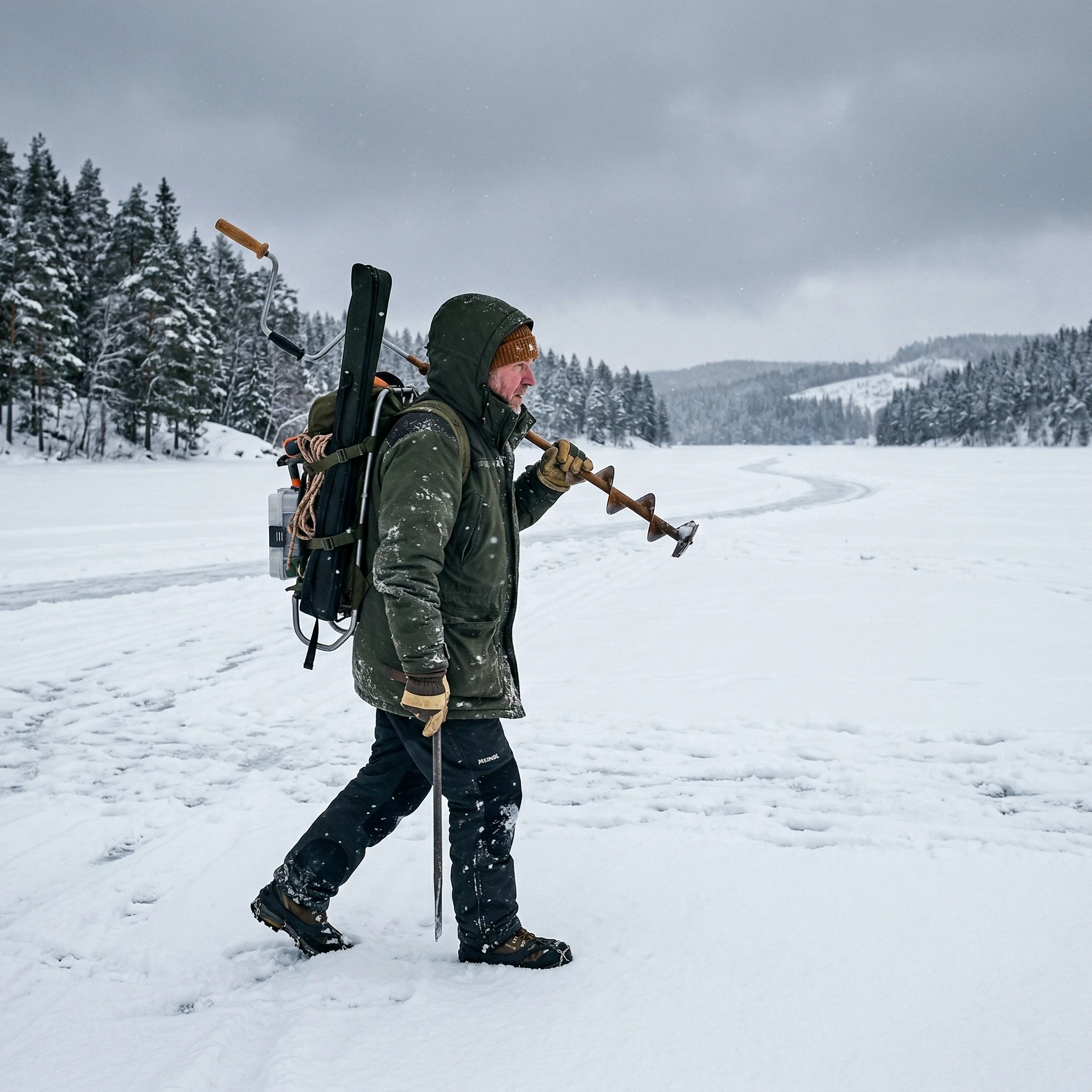
Success often comes from targeting the margins of snags or drop offs, where carp hunker down until they feel comfortable feeding. Be patient, watch the water closely, and tweak your tactics based on the activity you spot during your session.
Smart Gear and Rig Tweaks
Subtle adjustments to your rigs can make all the difference. Finer lines, smaller hooks, and longer hooklinks can help, since carp have more time to look over a bait before deciding to bite in winter.
Keep your gear in top shape and use light leads—there’s no need for heavy setups when fishing tight spots for careful fish. Make sure your rigs lie flat and look natural on the lakebed.
Share Your Winter Carp Stories
Have your own tips for keeping bite rates up during the colder months? Drop your questions or carp stories below. Real-life tricks help everyone push through those tough, cold sessions and can mean the difference between a blank and landing a new personal best.