
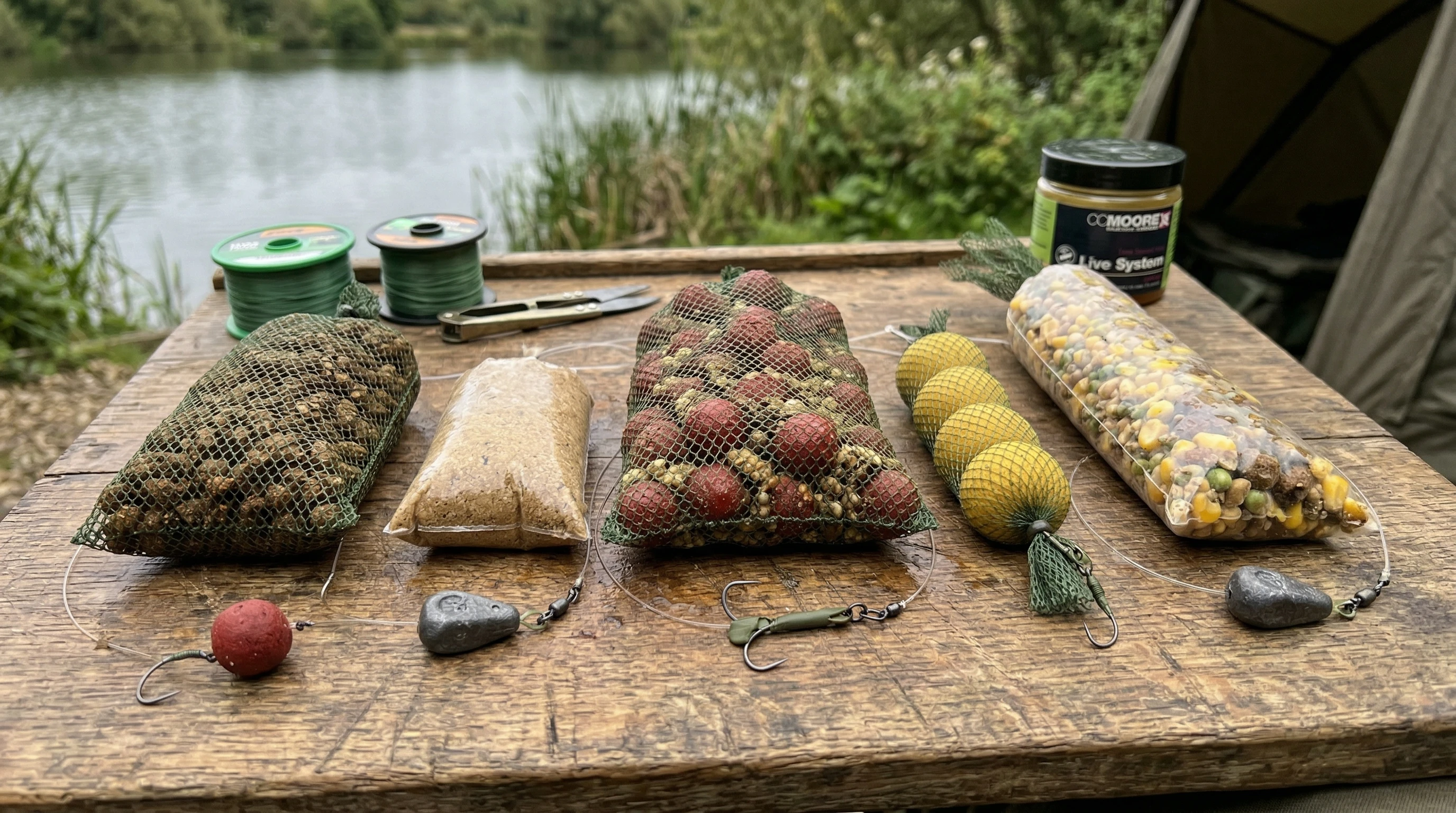
Carp fishing is all about getting your bait right where the fish are and making it look as tempting as possible. If you’re looking for a way to really step up your hookbait game, PVA (polyvinyl alcohol) bags are something you’ll want to try. These little mesh or solid bags all but guarantee a tidy bait presentation and can give you an edge when targeting wary carp. Even if you’re new to the technique, they are straightforward to use and can lead to some eye-catching results out on the water.
Why Use PVA Bags?
Carp can get cautious, especially if they’ve been caught a few times in a popular lake. Loose feed spread all over can make hookbaits stand out in a bad way or get the attention of nuisance fish. PVA bags make sure your hookbait sits right in the middle of a neat pile of attractive bait, with no distraction, no tangle, and the smell draws those fish in close.
- Accurate Baiting: When your hookbait is wrapped up inside a PVA bag with pellets or crumb, it drops as a compact bundle right near your rig. No more random scatter, and your bait lands exactly where you want it.
- Tanglefree Rigs: With the rig tucked inside the bag, you avoid annoying tangles that leave your rig looking unnatural or even hidden in a clump of weeds.
- Control Over Attractors: I can mix up pellets, groundbait, crushed boilies, or liquids to tailor what comes out of my bag. That way, I’m always adapting to what’s working on the day and responding to the fish’s changing appetite.
Getting these details right often means more bites, especially on tricky days when the carp are just not in a feeding mood.
How PVA Bags Work and What Makes Them Special
PVA is totally watersoluble, so once your bag lands on the lakebed, it quickly melts away—sometimes in just a minute or two. You end up with a patch of bait clustered tightly around your hookbait, which is exactly where you want carp feeding. This trick helps eliminate the risk of bait drifting off in wind or water currents, which can happen with other feeding methods.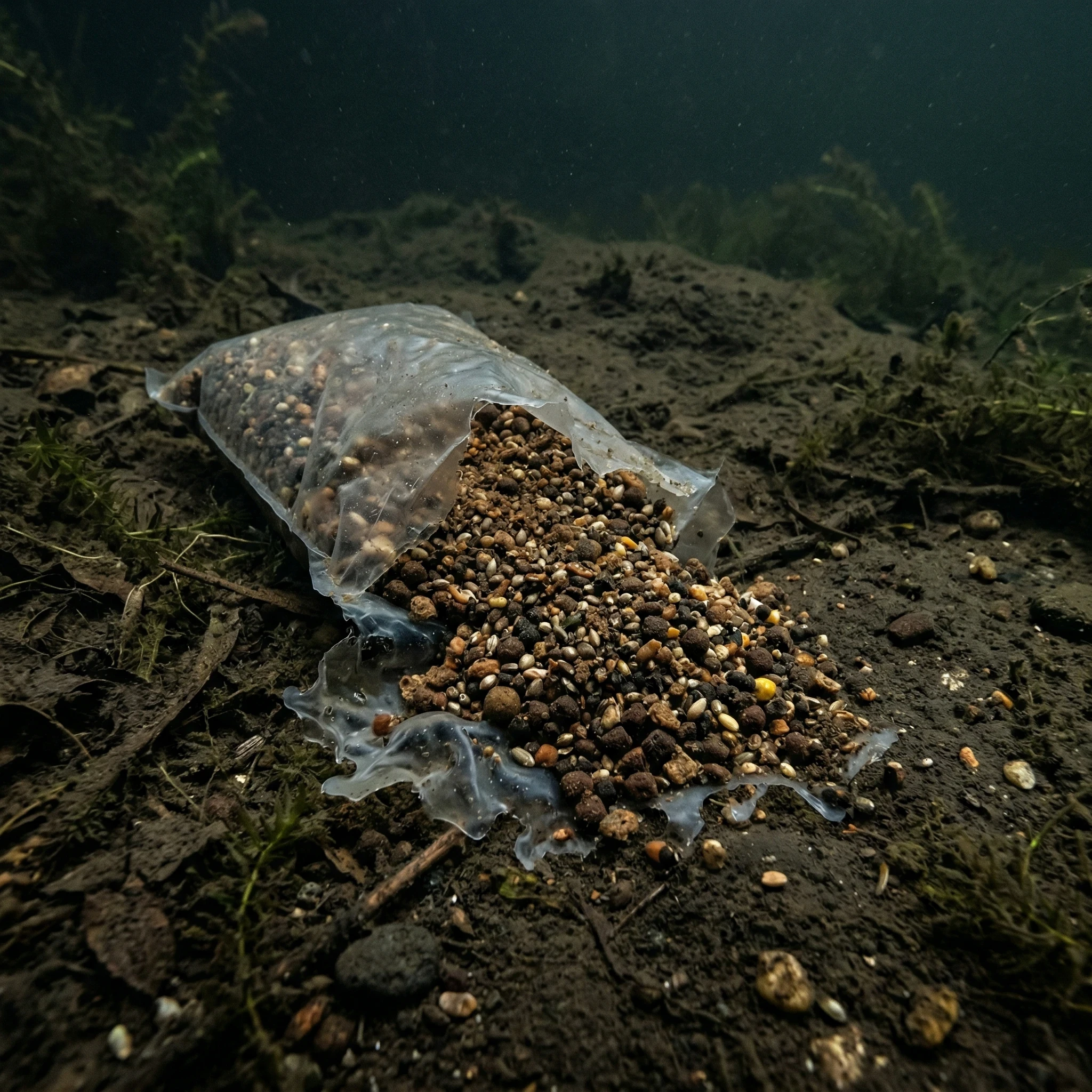
- Pick Your Bag Style: Mesh PVA bags melt faster and are better for warm water or short casts, while solid bags are great for heavy mixes and longer chucks. Choose according to the distance and season.
- Load Up: I fill my PVA bag about halfway, lay the rig neatly inside, then pack the rest with pellets or crumb. A quick tap down keeps everything tidy, and it helps avoid air pockets so your bag sinks fast.
- Seal the Bag: Twist or tie off the bag, and you’re set. Solid bags especially need to be dry since any moisture will start the melting process early. Take care to store your bags in a dry box or container on the bank.
PVA bags are ideal for waters full of weed, silkweed, or debris, as the bait reaches the bottom as a tight packet and doesn’t get lost in the mess. This makes them a go-to option for tough swims and when you want to make sure every cast counts.
PVA Bag Mixes and Hookbait Choices
There’s no single best mix, but I usually go with a combo of micropellets, crushed boilies, and a bit of groundbait. Some days, a little splash of oil or attractant really helps, but be sure to use PVAfriendly liquids or you’ll end up with a sticky mess.
For my hookbait, bright popups and wafters work well. However, anglers often match it to their free offerings for a subtler approach. Keeping it small and balanced means the carp can easily pick up the hookbait along with the rest of the loose feed. Plus, matching your hookbait to what’s in the bag can prevent wary carp from getting suspicious.
- Try using critically balanced baits inside the bag for a more natural presentation. This means your bait will act just as the free offerings do, making it harder for carp to spot something is up.
- Experiment with colors and flavors until you see what the fish respond to best. Don’t be afraid to switch things up from session to session to track down the perfect combo.
Another trick is to chop up larger boilies or mix in some corn for added texture. This adds to the visual appeal and can make your bait patch even more tempting to curious carp.
Tips for Success with PVA Bags
It pays to test how your bag breaks down in the margin before casting long. You’ll get an idea of how the bait spreads and whether your rig lands tanglefree. Don’t forget to keep everything dry while preparing bags, and always store PVA products well away from humidity, as this stuff melts faster than you’d expect. Packing practice bags at home can also save you time on the bank and avoid rushed, sloppy bags.
During colder months, use smaller bags with finer mixes and avoid heavy oil, as carp feed lightly and aren’t moving much. In summer, slightly bigger bags stuffed with more freebies can get fast results, and you can even add some eye-catching colored baits for extra pulling power. Adjust your mixes to match the season and the fish’s activity levels.
Don’t be afraid to use a marker rod to check depths and features. This will help place your PVA bag with even more accuracy so you can ambush carp right where they’re likely to be feeding.
Ready to Give PVA Bags a Try?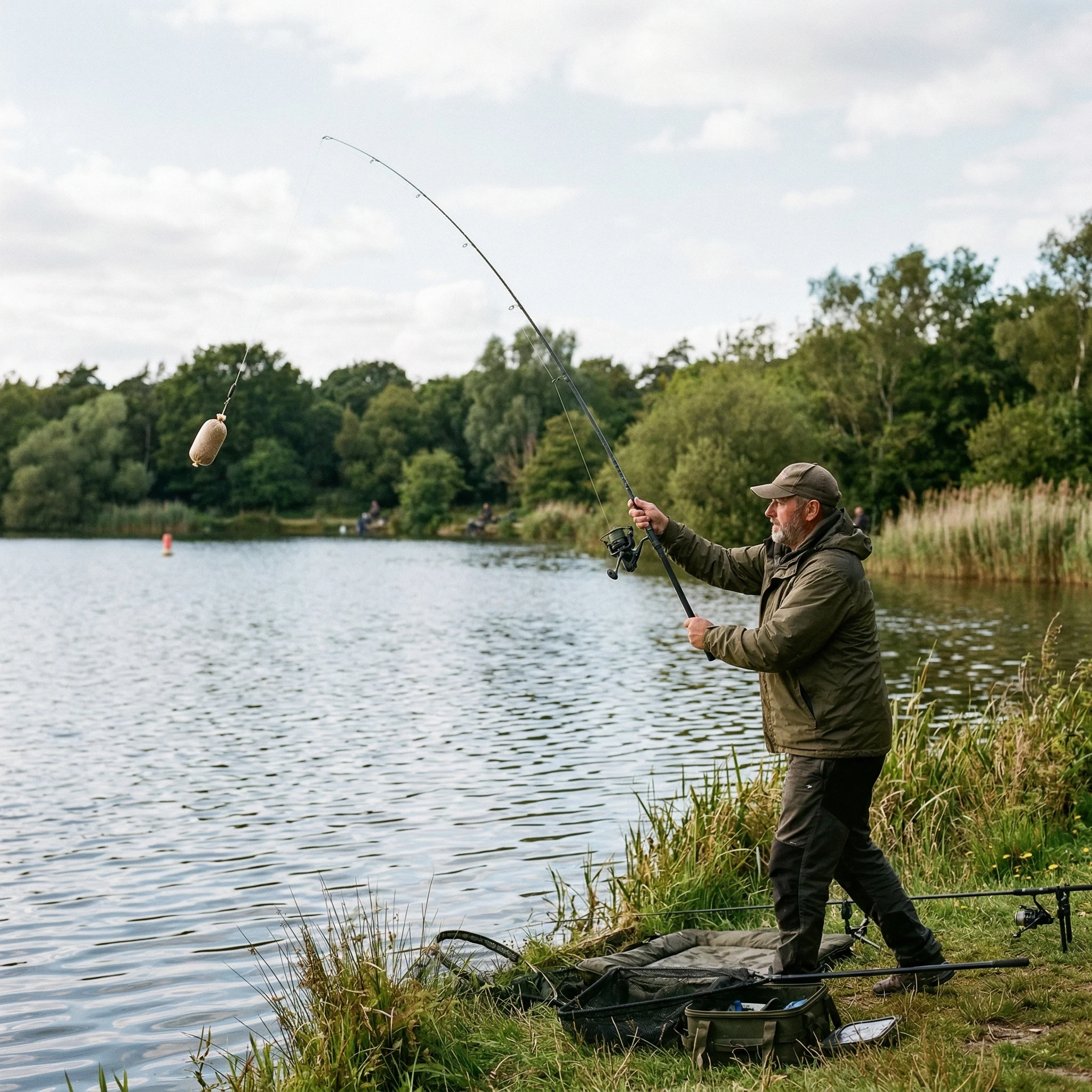
There’s no substitute for experimenting with different bag sizes, mixes, and hookbaits. If you’re fishing pressured waters or want to make every cast count, getting to grips with PVA bags is a super useful skill. I always keep a few pre-tied bags in my tackle box; they’ve saved plenty of blank sessions for me over the years. Once you get the hang of it, making PVA bags becomes second-nature and adds another tool to your carp angling adventure.
Give it a go on your next session—pick up some PVA bags, pack them carefully, and see how carp respond to your improved presentation and tight baiting.
Share Your Best PVA Bag Tricks
If you’ve landed a memorable carp using PVA bags, or found a killer mix that never fails, drop your tips below. It’s always interesting to see what other anglers have stumbled upon; the next tip could give someone their new personal best. The more we share, the better we all get—so let’s keep those ideas coming!