Using spod mix to build feeding spots for carp fishing can really help you get more bites and bring bigger fish into your swim. Mixing the right ingredients, preparing your spot, and presenting your feed properly makes a big difference. Even if you’re new to using spod mix, the process is straightforward once you get the hang of it. I’ll run through the basics of spod mix, how to use it, and some tips for keeping carp feeding in your area for longer.
What is Spod Mix and Why Should You Use It?
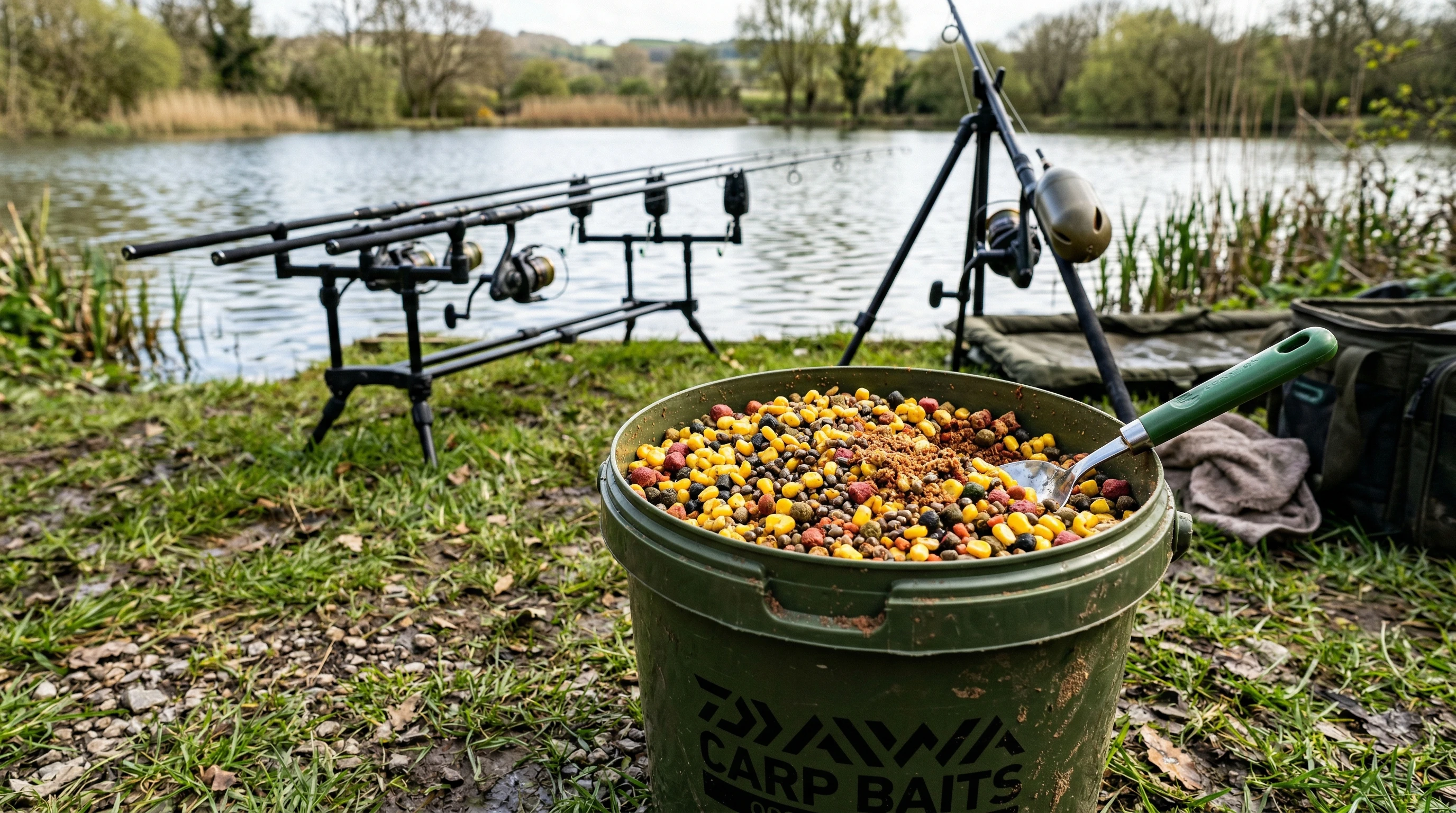
Spod mix is a combination of baits mixed together and delivered into your chosen area using a spod or a baiting rocket. The ingredients can be as simple or as complex as you like; things like sweetcorn, hempseed, pellets, boilies, and groundbait are popular. The whole idea is to attract carp by creating a cloud of food and scent in the water, giving them plenty of reasons to stay in your swim. Spod mix is super useful for targeting carp, especially when you want to encourage them to feed confidently over a spot.
You’ll find spod mix especially handy on bigger lakes or when you want to bring fish into an area quickly. Loads of anglers use it to get carp grubbing around, increasing the chances one will take your hookbait. It’s flexible, too; you can tweak the recipe for cold water, pressured fish, or to match whatever hookbait you like. If you’re fishing in challenging weather or want to adjust the nutritional profile, spod mix offers lots of room for creativity and testing.
How Spod Mix Attracts Carp and Holds Them in the Swim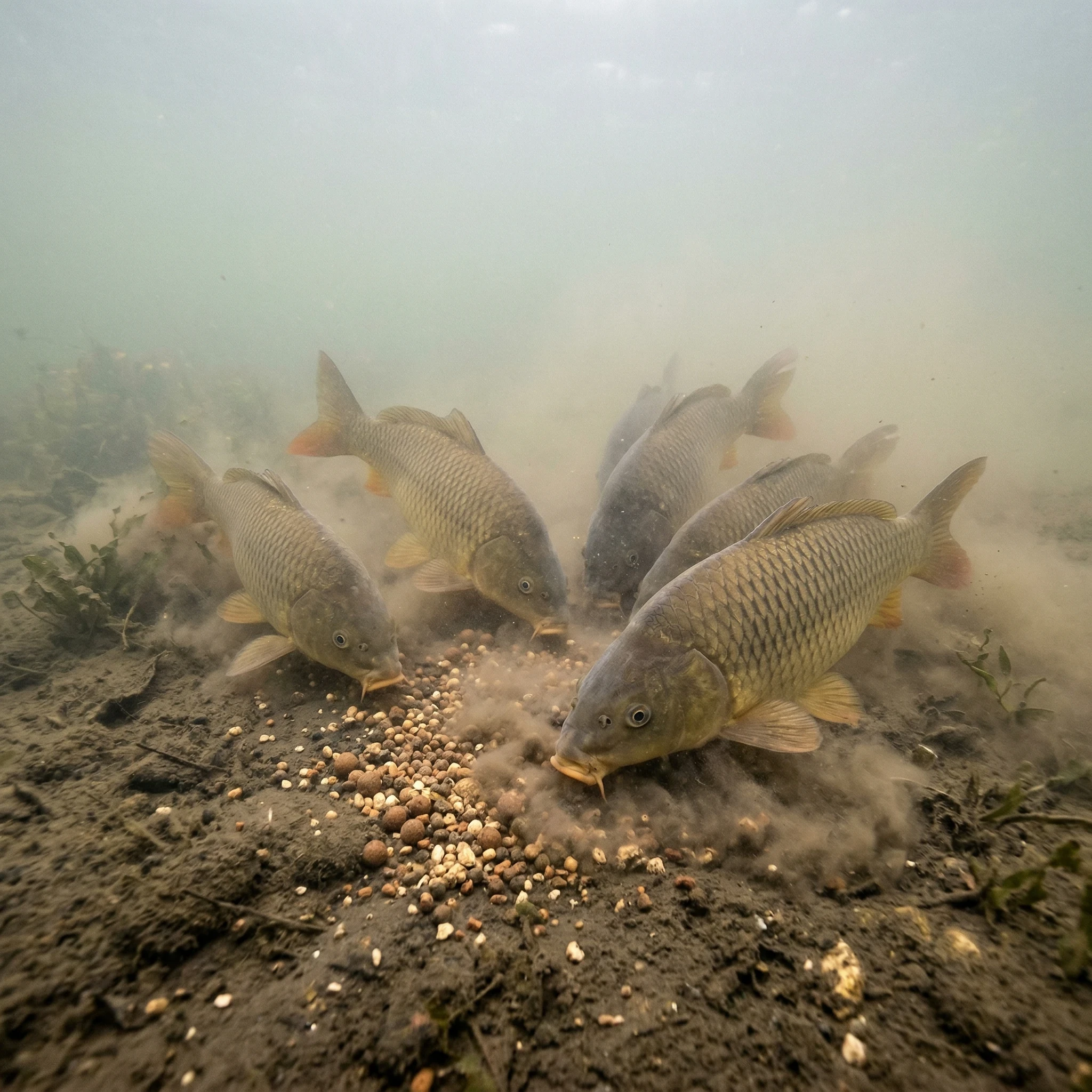
Carp are naturally curious, and they love rummaging around for food. A spod mix works by creating a buffet of small food items and loads of flavours, keeping the fish rooting around for ages looking for every last morsel. The mix draws fish in with particles, scents, and oily slicks on the surface. You get a steady stream of carp moving through and, if you keep introducing a bit more mix throughout your session, they’ll hang around longer.
One of the strengths of spod mix is that it doesn’t just attract but also holds carp in a small area. Pellets break down, particles provide crunch, and liquids can leak extra attraction. A well-prepared mix makes it hard for carp to ignore the area. If you want to catch several fish off the same spot, keeping them actively looking for food with regular top-ups is a big part of the game. Experiment with mix consistency—wetter mixes cloud the water and suit cautious carp, whereas firmer mixes sit tight on the bottom for longer feeding.
Making a CarpFriendly Spod Mix
There are endless ways to make spod mix, but you don’t need to go wild. A basic recipe does a good job, and you can always add extras if you want. Here are some key ingredients:
- Particles: Hempseed, sweetcorn, and maples are classic choices. They’re small, full of flavour, and super appealing to carp.
- Pellets: Pellets break down over time and add oils that create a slick, helping carp home in on the spot. A mix of sizes works best.
- Boilie Crumb: Chopped or crushed boilies release a smell and give carp something bigger to chew on if they’re hungry.
- Groundbait: This helps bind everything and creates a cloud in the water, grabbing carp’s attention from a distance.
- Liquid Attractants: A dash of liquid food, oil, or even the water from cooked particles can give a boost of attraction and help mix it all together.
Just cover your particles with water, soak them overnight, and boil until they’re soft. This makes them safe and easy for carp to eat. Once everything’s cooked and cooled, combine all the ingredients in a bucket, mix thoroughly, and add liquids last. You want a moist, sticky texture that holds together in the spod but breaks up fast once it hits the water.
Extra tip: You can sprinkle in spices or sweeteners, like chili or sugar, which often tempt pressured or wary carp. Some anglers even stir in a handful of micro pellets or mashed bread for a different texture, giving you more options to match whatever works best at your chosen water.
Preparing Your Chosen Swim for Spodding
Picking the right spot is really important. Carp are creatures of habit, so aim for likely feeding areas like gravel bars, reed edges, margins with overhanging trees, or plateaus. If you can, cast a marker float around first to feel for features like firm bottoms or clear spots among weed. Carp love these clean areas and will quickly hone in on a baited patch here.
Once you’ve chosen your swim, prep your tackle. I use a dedicated spod or marker rod, a big pit reel loaded with heavy braid or tough mono, and a spod rocket or baiting rocket. A finger stall or tape is a good idea; spodding can be hard on your casting finger. Make sure your setup can handle repeated casting and reeling in, as a heavy spod mix really tests your gear over a long session.
How to Spod: Step-by-Step
Getting your mix out there smoothly is easier with a reliable routine. Here’s how I go about it:
- Clip Up: Cast a marker float to your chosen area, then clip your line to hit the same spot every time. Measure the distance and count the wraps if you need to repeat it with your fishing rods later.
- Fill Your Spod: Scoop a handful of the mix into the spod rocket. Don’t overfill; it needs to close properly and release the bait easily.
- Cast Smoothly: Aim for an overhead cast, using the clip to drop the spod in the same spot. Try not to slap the water, as smooth is key.
- Release the Mix: Most spods open on impact, scattering the bait. Reel in and repeat until you’ve fed the amount you want, usually 5–10 spodfuls to start, depending on the time of year and fish activity.
- Top Up as Needed: Once you’re fishing, keep an eye on signs of carp in the swim. Topping up with a couple more spodfuls every now and then helps keep the fish interested.
It’s honestly not a difficult routine, but accuracy is super important. Hitting the same spot helps build up a bed of bait the carp can’t resist rooting through. Over time, you’ll get a feel for how often to top up your spot depending on the activity you see and the conditions on the day.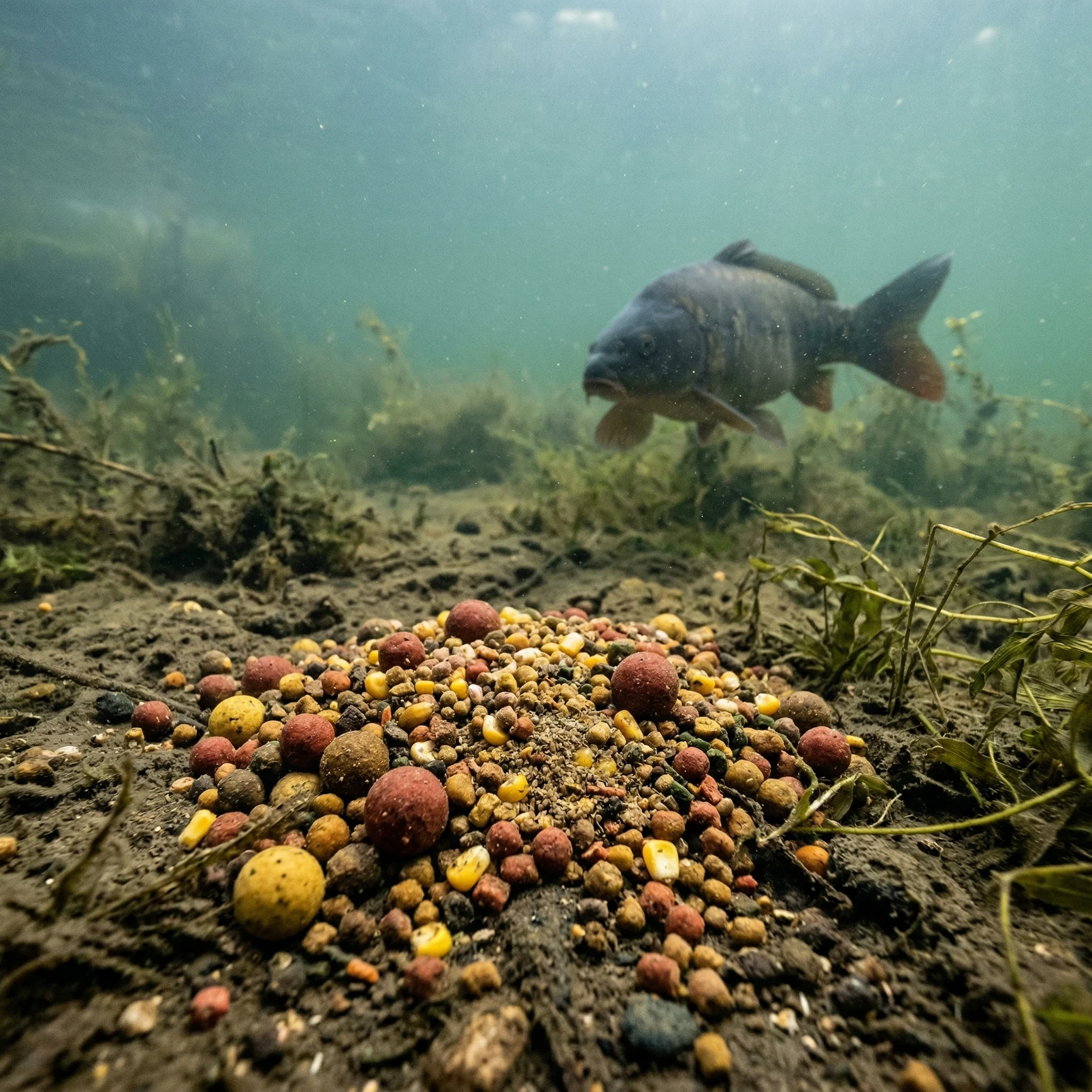
Tips for Maximizing Success with Spod Mix
Fine-tuning your approach gets more bites and keeps the fish feeding confidently. Here’s what I’ve found helps:
- Always soak and cook particles thoroughly. Uncooked particles can cause problems for the fish and are banned at some lakes.
- Try matching your hookbait to your spod mix. If you’re using lots of corn or tiger nuts, fish one on the hair alongside the loose feed.
- Use liquids like hemp oil, CSL, or even cloudy fishmeal to boost the scent trail, especially in murky water.
- Keep spodding to a rhythm. Don’t overfeed if the fishing is slow, but a few spods every hour works wonders if fish are in the area.
- Watch the carp’s behaviour; bubbling, rolling, or fizzing can mean they’re feeding. If activity dies off, don’t be afraid to top up or tweak your mix.
Especially in tough seasons, paying close attention to small details like the colour of your feed or the type of liquid you use can lead to a big turnaround. If the bite has slowed, even switching up the makeup of your spod mix slightly—adding more crumb, for example—can make the difference.
Common Challenges and How to Deal With Them
- Birds Moving In: Spod mix often draws waterfowl. I sometimes switch to larger boilie pieces or feed after dusk when birds are less active.
- Spod Mix Breaking Up in Flight: If your mix is too sloppy, it can fall out on the cast. Add more groundbait or pellets for a stickier texture.
- Fatigue from Spodding: It can be tiring, especially at range. Shorter rods, lighter rockets, or taking breaks can help; don’t rush yourself on the bank.
- Weed and Silt: Use a marker float to find clear spots so your mix doesn’t get buried or lost in silt. Firmer bottoms keep everything more accessible for carp.
Some anglers even use a simple spade or rake (if allowed) to clear a tiny patch and really make sure the feed is visible to passing fish. Doing this discreetly at the start of a session can help keep your bait right where you want it, spot on every time.
Advanced Tips: Customizing Your Spod Mix
Once you’ve mastered the basics, you can start tailoring your spod mix to suit specific conditions. During summer, adding oily particles or crushed tiger nuts creates extra attraction as fish are more active. In winter, lighter, cloudier mixes like maggots and fine breadcrumb keep fish grubbing around without overfeeding them.
I also like to try bright visual baits like corn or fluorescent boilie crumb, especially on pressured waters. Adding spicy flavours or a drizzle of squid or crab liquid often triggers extra bites when fish are being picky. Testing out ingredients at home lets you find what works best at your chosen waters. Another smart adjustment is adjusting the size of particles, with small baits holding shy fish and large chunks appealing to bigger, bolder carp.
Frequently Asked Questions
Here are some common questions about using spod mix for carp fishing:
How much spod mix should I use at the start?
For a session, 2–3 kilos (about 4–6 pounds) is typical, but you can use more or less depending on venue size, fish stock, and carp activity.
What’s the best spod for the job?
Spombs and rocketstyle spods work great for distance and accuracy. Smaller, lighter models can be helpful if you’re fishing short range or starting out.
Can I use groundbait in the spod mix?
Definitely. Groundbait adds cloud and holding power, making the whole mix more attractive, especially for smaller fish and when carp are feeding cautiously.
Do I need to change spod mix by season?
It’s a good idea. In colder months, tone down the quantity and use fine particles. In warmer weather, feed heavier and try oilier ingredients to get fish excited and feeding confidently on your spot.
Staying flexible and observant is the key. Each water and session is a bit different, but with some practice, you’ll be setting up irresistible feeding spots using spod mix that puts carp on the bank again and again.